



Burundi
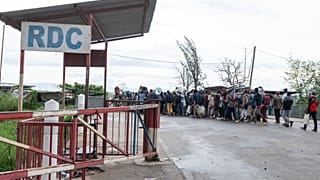
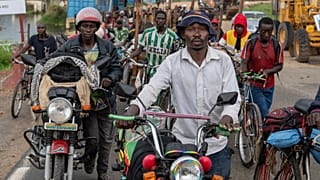
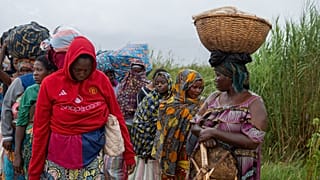
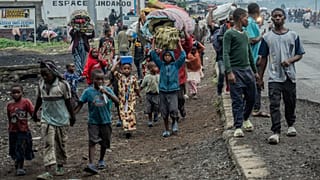
As violence in the eastern DRC escalates, a growing number of people are being forced to flee their homes and see refuge across the border in Burundi.
More than 80,000 people have crossed from the DRC’s South Kivu since the start of December, according to the United Nations, bringing the total now to more than 200,000 displaced people.
Aid workers say they’re struggling to cope.
"This figure is in the space of only one week that we have these 17,000 people," says Simplice Kpandji, a staff member with the UN refugee agency UNHCR at one of the transit centres.
"So it is to be expected that by the end of this week we will be able to find around 25,000 people. So we still need a lot, the needs are still there and the needs are growing. As you can see, it feels like our efforts are not enough. It's simply because the needs and the resources are not there.”
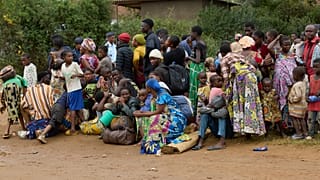
With so many new arrivals, transit centres in Burundi have far surpassed capacity, in some cases by nearly 200 percent. That’s left hundreds of families in untenable conditions.
"Since we left our village we have been sleeping outside, getting soaked in the rain," says Congolese refugee Maombe Sariue. "We are sick, we have no medicine. There was no shelter, no food. I am pregnant. We need help.”
South Kivu conflict
Burundi has maintained troops in eastern Congo for years in an effort to keep the conflict at bay. But after Rwanda-backed M23 rebels took control of the South Kivu city of Uvira last week, the humanitarian spillover has become unstoppable.
M23 began a withdrawal from the city late Wednesday night, according to the leader of the rebel group and local authorities. A spokesperson for the governor of South Kivu said he was unable to confirm the withdrawal late Wednesday night.
The rebels’ latest offensive comes despite a US-mediated peace agreement signed earlier this month by the Congolese and Rwandan presidents in Washington.
Washington last week accused Rwanda of violating the agreement by backing the new rebel advance in the mineral-rich eastern Congo, and warned that the Trump Administration will take action against “spoilers” of the deal.
The accord didn’t include the rebel group, which is negotiating separately with Congo and agreed earlier this year to a ceasefire that both sides accuse the other of violating.
However, the accord obliges Rwanda to halt support for armed groups like M23 and work to end hostilities.
More than 100 armed groups are vying for a foothold in mineral-rich eastern Congo, near the border with Rwanda, most prominently M23.
The conflict has created one of the world’s most significant humanitarian crises, with more than 7 million people displaced, according to the UN agency for refugees, UNHCR.
02:02
DR Congo: Resumption of transport on Lake Tanganyika brings hope to Uvira
01:14
DR Congo president outlines pre-conditions for a national dialogue
01:05
More than 200 dead in landslides at rebel-controlled mine in DR Congo
Go to video
DRC: Kinshasa and UN launch humanitarian response plan
01:55
One year into M23 control, residents are struggling to get by in DRC's eastern capital
Go to video
Goma one year on: Entrepreneurs rebuild after M23 takeover