



Iran
In a pivotal shift, Iranian President Masoud Pezeshkian has ordered the start of nuclear talks with the United States. This comes as U.S. President Donald Trump expresses hope for a deal while simultaneously threatening military action and deploying an aircraft carrier group to the region.
While President Trump warns "time is running out," Iran insists it "never accepts ultimatums." Tehran's key condition is the lifting of sanctions.
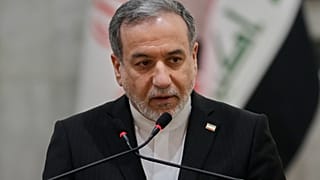
Foreign Minister Abbas Araghchi stated a deal is "possible," aligning with Trump's goal of no nuclear weapons, but only through diplomacy.
Regional powers push for calm
Neighboring states are urgently mediating, fearing a U.S. strike could ignite a wider regional war.
Iran's supreme leader warned any American attack would trigger a "regional war," a sentiment driving diplomatic outreach to Turkey, Saudi Arabia, and Egypt.
Domestic crackdown and international fallout
The order for talks follows a deadly crackdown on anti-government protests. Iranian authorities acknowledge over 3,000 deaths, while rights groups estimate a toll twice as high and at least 40,000 arrests.
In response, the EU designated Iran's Revolutionary Guard a terrorist organization, prompting Tehran to retaliate with the same label for European armies, further escalating tensions.
The path forward remains perilously narrow, balancing fragile diplomacy against the backdrop of military posturing and severe domestic unrest.




01:12
Trump secretly switched planes amid reported Iran assassination threat
02:09
Israelis voice doubts over U.S.-backed Gaza peace plan
01:38
Israel rejects Donald Trump’s 15-point plan to end Gaza war
01:16
US Senate passes sweeping sanctions targeting Russian energy revenues
01:08
Middle East: Hundreds of ships remain stranded in Strait of Hormuz
01:00
Cargo ship reports being struck as US, Iran claims about talks diverge