



France
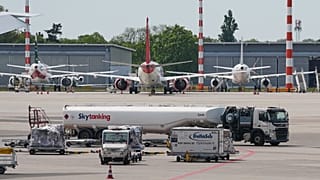
Europe could face flight disruptions within weeks as fuel supplies tighten amid the ongoing crisis affecting the Strait of Hormuz, according to the head of the International Energy Agency.
In a stark warning, IEA Executive Director Fatih Birol said the continent may have only a limited window before shortages begin to bite.
“We are in Europe, we have maybe 6 weeks or so of jet fuel left,” he said. “If we are not able to open the Strait of Hormuz, if the refineries as a result stop to work, I can tell you soon we will hear the news that some of the flights from City A to City B might be cancelled as a result of lack of jet fuel.”
The disruption of supplies through the vital maritime chokepoint—through which a significant portion of the world’s oil and gas passes—has triggered what Birol described as an unprecedented global energy crisis. Beyond aviation, shortages could affect diesel, gasoline, and other critical fuels.
The consequences are already being felt through rising energy costs, with Birol warning of “two big problems”: soaring prices and dwindling availability of key petroleum products.
The economic fallout is expected to hit some regions harder than others. Countries heavily dependent on imported energy—including Japan, India, Pakistan, and Bangladesh—are likely to feel the strain first, before the crisis spreads more broadly to Europe and the Americas.
Birol cautioned that time is running out to stabilize the situation.
“If the Strait of Hormuz is not open until the end of May, many countries, starting from the weaker economies, are going to face huge challenges,” he said. “This will go from high inflation numbers to slow growth or even to recession in some cases.”
The crisis also raises concerns about longer-term geopolitical risks. Birol warned against the emergence of a “toll system” for ships passing through strategic waterways, saying it could set a dangerous precedent for other global trade routes.
As tensions persist, the reopening of the Strait of Hormuz is increasingly seen as critical—not just for energy markets, but for the stability of the global economy.







01:01
Iran says it has the technology to produce missiles with far longer ranges
00:51
Iran says large numbers of army ground forces remain deployed along borders
00:54
Iran and Oman agree entry and exit routes for Strait of Hormuz
01:02
Tehran finalizing deal with Oman for temporary, safe route through Strait of Hormuz
01:19
Tensions in the Strait of Hormuz drive oil prices as US and Iran both claim control
01:00
Egypt: Cairo and Beijing sign deals on economy, technology