



Iran
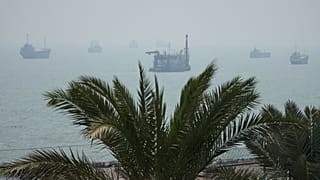
Iran has warned European countries on Monday against sending warships to the Strait of Hormuz. Iran’s foreign ministry spokesperson Esmaeil Baghaei argued that any European involvement would only push energy prices higher and create additional complications to an already delicate situation.
On Sunday, United States President Donald Trump slammed Iran’s response to his latest ceasefire proposal, calling it quote “totally unacceptable.”
According to reports, Tehran proposed an initial halt to hostilities linked to easing maritime restrictions, which would be followed by a 30-day period of nuclear discussions.
Tehran has reportedly rejected an outright dismantling of its nuclear infrastructure, but has instead suggested diluting part of its highly enriched uranium and transferring remaining stockpiles to a third country.
They also agreed to pausing enrichment activity, albeit for a much shorter duration than Washington had proposed.
At the core of its demands, Iran stood firm, demanding the release of its frozen assets, an end to the US naval blockade of its ports and reparations for damages caused by US-Israeli strikes, all of which they deemed “reasonable.”
Iran added that Lebanon, which has been the target of heavy Israeli attacks, must also be included in any ceasefire arrangement, calling it a red line for them.







01:36
Trump-Xi summit: Pomp and pageantry, but few concrete breakthroughs
00:59
Trade truce, Taiwan and Iran top Trump-Xi agenda in Washington
01:11
Conditions in Gaza remain dire ahead of Netanyahu's UN address
01:14
Trump administration to admit mostly white South African refugees in 2027
01:29
Trump threatens to 'annihilate' Iran, attacks ICC in UN speech
01:02
Major US TV networks pause White House pool coverage over Trump media ban