



Iran
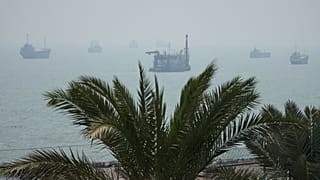
Hundreds of ships and thousands of mariners are still stranded at the Strait of Hormuz, as Iran controls the route, causing disruption to the global economy.
Iran effectively seized control of the critical waterway for global energy after the United States and Israel attacked it on 28 February.
Weeks of heavy bombing and a US naval blockade imposed last month have yet to loosen its grip.
Iran says it will only reopen the strait if the war ends and the blockade is lifted. US President Donald Trump is seeking wider concessions, including on Iran’s nuclear program.
There are 1,550 vessels from 87 countries currently stranded in the Persian Gulf, according to the US military.
Only two ships were successfully guided through the strait as part of Project Freedom, according to the US.
Forty-five million people could experience hunger, mostly in Asia and Africa, if the strait does not open soon, according to the United Nations World Food Programme.
The blocking of fuel and fertilizer shipments could soon push the price of food and other necessities out of reach for those already in a precarious situation, it said.


01:36
Trump-Xi summit: Pomp and pageantry, but few concrete breakthroughs
00:59
Trade truce, Taiwan and Iran top Trump-Xi agenda in Washington
01:11
Conditions in Gaza remain dire ahead of Netanyahu's UN address
01:14
Trump administration to admit mostly white South African refugees in 2027
01:29
Trump threatens to 'annihilate' Iran, attacks ICC in UN speech
01:02
Major US TV networks pause White House pool coverage over Trump media ban