



USA
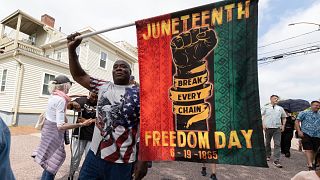
In the United States, 105 years after the Tulsa Race Massacre devastated the thriving Black community of Greenwood in Tulsa, Oklahoma, the fight for justice and reparations continues.
In 1921, white mobs destroyed what was known as Black Wall Street, killing hundreds, burning homes and businesses, and erasing generations of Black wealth in a single night.
Today, civil rights attorney Damario Solomon-Simmons is leading efforts to secure reparations for survivors and their descendants.
His work is the focus of his first book, Redeem a Nation: The Century-Long Battle to Restore the Soul of America, which examines the United States' ongoing struggle to confront the legacy of slavery, racial violence, and systemic discrimination.
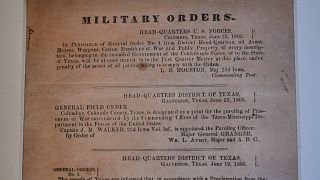
Scholars say the debate over reparations has stretched from Reconstruction through the Civil Rights Movement and into the 21st century.
Many experts argue reparations should focus on rebuilding communities through investments in education, housing, healthcare, and economic opportunity, rather than solely compensating individuals.
Opponents, however, argue there are no living perpetrators or enslaved victims left to pursue direct legal claims.
Still, advocates say the lasting effects of racial injustice continue to shape US society today.





02:20
African-American artist’s work celebrated in travelling retrospective
00:51
Nigeria and US sign deal to increase mining investment
02:20
British-Sudanese author writes African history book aimed at children
00:52
DRC tightens state control over mining data in bid to boost influence over its vast mineral wealth
01:19
Tensions in the Strait of Hormuz drive oil prices as US and Iran both claim control
01:49
Six months into Iran War there is no end in sight to the conflict