



Cuba
Cuba faces uncertainty over its future after the United States abducted Venezuelan President Nicolás Maduro last weekend. Cuban officials lowered flags in the early hours of Monday to mourn 32 security officers they say were killed in the US strike on Venezuela, the island nation's closest ally.
The US administration of President Donald Trump has warned outright that toppling Maduro will help advance another decades-long goal: dealing a blow to the Cuban government.
On Sunday, Trump criticised the island as a nation "ready to fall" without the support of Venezuela.
Over the past decades, Venezuela provided Cuba with critical economic backing.
Maduro’s government was shipping a daily average of 35,000 barrels of oil to Cuba over the last three months, about a quarter of total demand, said Jorge Piñón, a Cuban energy expert at the University of Texas at Austin Energy Institute.
"There is no doubt that the lack of Venezuelan support is a danger and a threat to Cuba," said Cuban analyst and former diplomat Carlos Alzugaray.
Nonetheless, he said, "we expect a strong reaction from other sources like China and Russia."
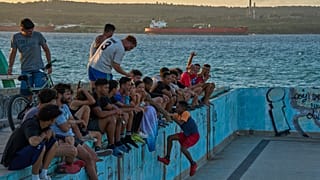
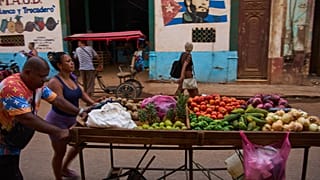
Fear and anxiety are taking hold among the Cuban population, which is already struggling with constant blackouts and shortages of basic foods.
"We have to stand strong," said 63-year-old Havana resident Regina Méndez. "I am already an older person, but if they give me a rifle, and I'll go fight against those people."
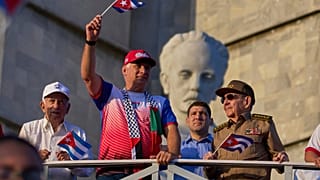
Cuban president Miguel Díaz-Canel has denounced the US operation in Venezuela as "state terrorism," and called for an "urgent reaction" from the international community.




01:00
US: Nicki Minaj endorses Trump at Michigan Republican rally
01:17
Iranian president blames United States for failure of interim peace deal
00:53
South Africa's bilateral trade with China surges after zero-tariff deal
01:04
Gambia to compensate Jammeh victims with $2.5m from mansion sale
01:00
Russia: Huge flames and smoke rise over St Petersburg after drone strikes
01:08
US State Secretary calls for de-escalation by Ethiopia and Eritrea