



Somaliland
Under the scorching sun in Somaliland, farmer Muhummad Mohamad Ismail digs trenches around his orange and papaya trees, carving shallow basins to trap every drop of water. After losing more than half his crop to drought, he says survival depends on making the most of what little rain falls.
“We have a water borehole with a small channel that gradually directs rainwater into it during the rainy season,” he explains. “However, due to climate change, we are now facing an increasing water shortage. We are no longer receiving the same amount of rainfall as before, and there is little to no rain.”
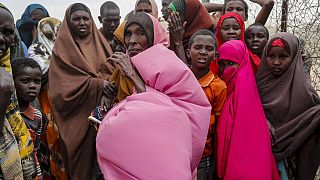
Water shortages are being felt across the region. The World Food Programme estimates that a quarter of Somalia’s population, including Somaliland, 4.4 million people, are facing severe food insecurity as drought tightens its grip.
Farmer Faysal Omar Salah says this year’s harvest was meagre. “We only planted a small amount of beans towards the end of the rainy season, but even that withered as the drought intensified,” he says.
Now, many are looking to Israel following its decision to recognise Somaliland. Officials hope Israel’s expertise in water management and agriculture could help transform the sector, which contributes up to 25% of GDP.
A first group of 25 Somaliland water workers has begun training, with Israeli experts expected to arrive soon to install new technology.

01:00
Lebanon: Israeli strikes on Hezbollah stronghold displace thousands in Beirut
01:00
Iran: Worshippers in Tehran rally after Friday prayers
01:00
Israel: Rocket interception debris sparks fire near Tel Aviv
01:00
New Israeli airstrikes rock Beirut suburb as civilians flee feared escalation
01:22
Somalia's new constitution will see directly elected lawmakers
01:00
New airstrikes hit Beirut’s southern suburbs after Israeli warning