



Morocco
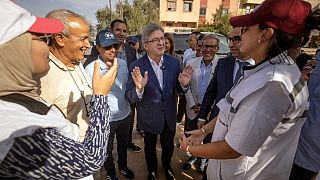
In Ineghede, southwest Morocco, eleven volunteer doctors have been tirelessly working for days in the mountainous area that is difficult to access.
According to state news agency MAP, the Moroccan Health and Social security ministry has mobilized over 2,000 general and specialist doctors and nurses as well as over 300 tonnes of medicines for regions affected by the Al-Haouz earthquake.
"We've been here since the third day, between the second and third day (after the) earthquake. We've seen a lot of trauma, a lot of wounds, apart from chronic illnesses that weren't monitored during the days that the douar (editor's note: village) was hit by the earthquake," emergency physician Achraf Azouz said.
"There are hypertensives, diabetics, several chronic illnesses that are not monitored. But most of the time, we take care of people with serious wounds and traumas."
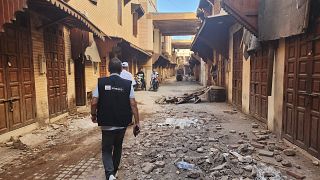
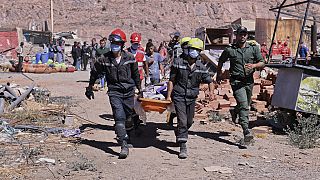
Moroccan authorities reported 2,946 deaths and several thousand injuries as of Wednesday (Sep. 13).
If a new chapter has opened for survivors of the quake that struck Marrakesh and the regions to its south on September 8, fear of the future remains.
"I'm afraid when the cold season will start, it's going to be a disaster because [peaople] here have nothing. They live in tents that can hold a dozen people, no hygiene, nothing at all. There's enormous poverty. With the help of the local population and other doctors, [I would like, I wish] for them to continue this action of taking care of the population. "
Morocco announced the launch of an aid programme on Sep. 14 to support and rehouse the residents of about 50,000 buildings damaged in by the Al-Haouz earthquake.

01:03
Missing persons office opens in Ceuta as families search for migrants after border surge
00:58
FIFA backs embattled president Infantino following crisis meeting
01:15
Ceuta on edge and trying to recover after deadly mass migrant crossings
01:48
EU ministers condemn foreign 'information interference' in Ceuta crisis
01:10
Morocco says 11 died in Ceuta crossing attempt, while Spain puts it at 72
01:56
Life in Spanish enclave of Ceuta resumes after sudden migrant surge