



Morocco
Morocco is preparing for a thorough review of its 2004 trade agreement with Turkey, following a sharp rise in the bilateral trade deficit.
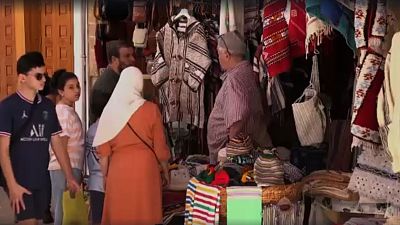
The shortfall has surged to about $3 billion, largely driven by Moroccan imports of Turkish fabrics. Overall, Morocco’s trade imbalance widened 22.8% to $12 billion in the first four months of 2025, continuing a trend that saw last year’s deficit hit 306 billion dirhams.
To address the issue, Moroccan Trade Minister Omar Hjira will visit Turkey to negotiate measures aimed at rebalancing the relationship—potentially by increasing Turkish investment within Morocco.
Moroccan manufacturers cite the competitive advantage of Turkish goods—lower costs, high quality, reliable delivery—and governmental support in Turkey, which keeps Turkish exports flowing into Morocco.
In response, Moroccan authorities previously enforced emergency tariffs—up to 90%—on Turkish textiles, and Malaysia has drawn up a "negative list" of over 1,200 products, including textiles, to shield key industries .
Experts argue that long-term solutions require Morocco to boost the competitiveness of its own industrial output, diversify exports, and possibly reassess several free trade agreements.
As Hjira heads to Ankara, both nations will seek a deal that mitigates Morocco’s deficit without undermining its domestic industry or provoking trade tensions.








01:08
Spain begins dismantling migrant camp on Ceuta beach
00:56
2025 AFCON final: CAS to hear Senegal appeal on October 8
01:50
Morocco’s first woman premier pledges to meet citizens’ expectations
01:43
Moroccan voters call for action after election results
02:19
Tangier’s annual art night brings the city’s creative spirit to life
01:06
Ceuta migrant crisis: 28 undocumented migrants found hidden in Spanish flats