



Guinea-Bissau
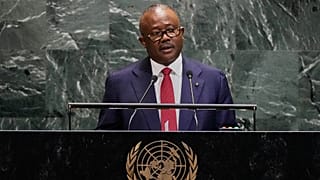
In Guinea-Bissau, the country’s two principal opposition parties have made a public appeal for dialogue with the military junta that seized power in a coup in late November 2025, seeking a way out of the ongoing political crisis.
The move comes amid deepening instability since the Haut commandement militaire pour la restauration de la sécurité nationale et de l’ordre public — the junta that ousted President Umaro Sissoco Embaló in November — took control of the government and suspended the electoral process.
Opposition leaders, including figures from the main party coalition led by Domingos Simões Pereira, have sought to open channels of negotiation with the junta as tensions persist over the future of Guinea-Bissau’s constitutional order.
This appeal follows recent events in which the junta offered positions in a transitional government to opposition politicians — an offer that was rejected by key leaders who viewed it as symbolic and insufficient in addressing the broader crisis.
Regional actors, especially the Economic Community of West African States (ECOWAS), have repeatedly urged restraint and a swift return to civilian rule, complicating the political landscape as Guinea-Bissau navigates one of its most volatile periods in recent history.




Go to video
Burundi marks 33 years since Ndadaye’s assassination amid concerns over democracy
01:10
Guinea-Bissau elections in doubt as Senegal urges military to ease restrictions
01:09
Guinea-Bissau's electoral commission says conditions for December polls not met
01:02
Malian army and Russian fighters retake key city of Kidal, abandoned by rebels
02:08
Burkina Faso's military leaders mark four years in power
00:56
Exiled Guinea-Bissau President Embalo signals return amid political tension