



Morocco
The Amazigh calendar begins in 950 BCE, when King Sheshonq ascended to the throne in Egypt, which means that this year is 2974 according to this calendar.
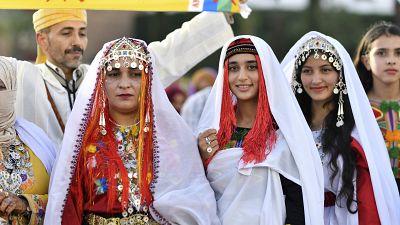
Considered the original inhabitants of North Africa, the Amazigh have a historical presence in the region, with large populations in Morocco and Algeria. Yennayer marks the end of the agricultural year and the beginning of the new one. The term comes from "yan", meaning "first", and "ayur", meaning "month".
This celebration takes place on January 13, corresponding to the Julian calendar, which is 13 days behind the Gregorian calendar. The first day of the year also coincides with the coldest weeks of winter.
Symbolic meal and festivities
At the centre of Yennayer celebrations is a meal made from ingredients that symbolize abundance and fertility. Honouring the harvest and renewal is a way of paying homage to nature.
According to tradition, it is essential to leave the table while it is still full to ward off famine and ensure prosperity for the following year.
Although traditions vary across North Africa and among the Amazigh diaspora, the festive meal is a common element that celebrates Amazigh identity.
National holiday in Morocco
For Amazigh communities in Morocco, this Yennayer is particularly significant, especially after King Mohammed VI made this celebration a national holiday in May 2023.
This year, for the first time, Morocco officially celebrated the Amazigh New Year, an emblematic event accompanied by festive meals, including couscous.
In the houses of the High Atlas, tagoula is also prepared, made from barley or corn groats, served with smen (clarified butter), olive oil or argan oil and honey. A date stone is often hidden at the bottom, called amnaz, considered a symbol of good luck.
In the Ouirgane Valley, south of Marrakech, some people hide an almond in a mound of couscous topped with hard-boiled eggs and cinnamon.
Celebrations in Algeria
In Algeria, the dish most associated with Yennayer is couscous, made from barley or wheat accompanied by a broth that contains a variety of legumes and meat.
Although couscous is central to the festivities, other traditional dishes such as rechta, prepared with fresh pasta, chicken, chickpeas and turnips, are also enjoyed.
Sweets also play an important role in the festivities. After the meal, families feast on baskets of sweets, dates and dried fruits while enjoying tea.


02:19
African languages find new life among a younger generation
01:15
Algerian rescue workers recover body of 10-year-old boy trapped in well
01:46
Spanish PM defends handling of Ceuta crisis, refuses to pin Morocco
01:54
South Africa: Sharpeville massacre victims launch legal action
01:29
Madrid pledges €306 million in additional aid for Ceuta
01:10
Algeria moves to restore death penalty for deliberate forest fires