



Nigeria
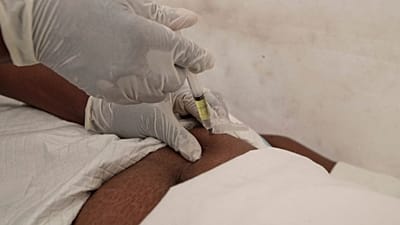
Interest is rising across Nigeria in a new long-acting HIV prevention injection, even before its full nationwide rollout.
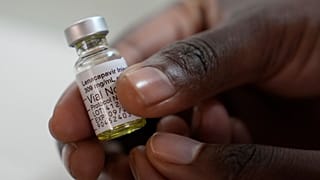
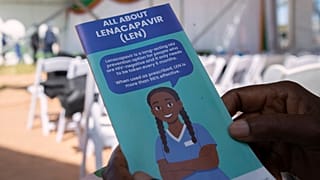
Health workers and community organisations say people are actively seeking access to Lenacapavir, a twice-yearly injectable drug designed to prevent HIV infection. The treatment, developed by Gilead Sciences and endorsed by the World Health Organisation in 2025, offers an alternative to daily preventive pills.
Nigeria’s government has begun introducing the drug in selected pilot states, with an official launch expected this week. Authorities say more than 11,000 doses have already been delivered, out of a planned 52,000.
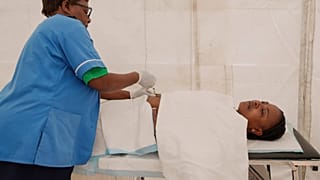
The rollout will initially cover several states, including Lagos, Kano and Benue, as well as the federal capital, Abuja. The injection will be administered free of charge at designated public health facilities, not through private pharmacies.
High demand-and confusion
Civil society groups and frontline health workers report strong demand, particularly among people at higher risk of HIV exposure, including couples where one partner is HIV-positive.
However, some organisations say there is widespread misunderstanding about the drug. Many people believe it can cure HIV, when in fact it is only designed to prevent infection in those who are HIV-negative.
“People are asking for it even before it becomes widely available, but some think it’s a treatment rather than prevention,” one health worker said.
Nigeria has one of the largest HIV burdens globally, with around two million people living with the virus, according to recent estimates.
Caution from experts
Medical professionals have welcomed the innovation but stress the need for careful rollout. Pharmacists and regulators say the drug must undergo strict safety and quality checks before broader distribution.
Authorities have also issued guidance on its use, noting that it is currently approved only for non-pregnant individuals.
Despite these concerns, public health advocates say early adoption could help reduce new infections, especially among high-risk groups, if awareness improves and access expands nationwide.






Go to video
Kenya Airways sees surge in demand as Middle East conflict disrupts global travel
Go to video
Former Kenyan minister reappears after disappearance sparks alarm
Go to video
Burkina Faso’s tomato export ban raises concerns over regional supply
Go to video
“We are living in fear”: Gay people in Senegal amid crackdown
Go to video
Nigeria’s Tinubu begins UK state visit, first in nearly four decades
Go to video
Maiduguri bombings: Timeline of major attacks in Nigeria’s Borno state