



Kenya
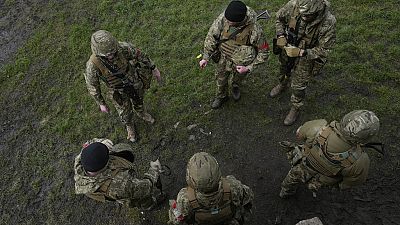
A Kenyan parliamentary inquiry has accused British soldiers stationed in the country of repeated sexual abuse, unsafe training practices and environmental violations , saying the behaviour has made the foreign troops feel like an “occupying force.”
The report, released this week by Kenya’s defence and foreign relations committee, reflects growing anger over the conduct of the British Army Training Unit Kenya (BATUK), which hosts thousands of UK soldiers every year.
Britain’s defence ministry told Reuters it “deeply regrets” the problems linked to its military presence and said it is willing to investigate any new allegations once evidence is submitted.
The most high-profile case involves the 2012 murder of 21-year-old Agnes Wanjiru near a British training camp in Nanyuki. The main suspect, British soldier Robert Purkiss, was arrested in the UK last month after years of campaigning by Wanjiru’s family and Kenyan activists. He denies any role in her death and is now facing extradition proceedings.
The committee’s report said hearings in communities near the training grounds revealed a “disturbing pattern” of rape, assault, abandoned children and workplace injuries affecting Kenyans hired to clear unexploded ordnance without proper safety gear. MPs also cited evidence of toxic waste dumping and other environmental damage.
BATUK told the committee it has a zero-tolerance policy on sexual exploitation and insists its environmental audits show strong compliance with Kenyan laws.
The current defence agreement between Kenya and the UK was signed in 2021 and expires next year, setting the stage for what is likely to be a tense renegotiation.








01:07
Sierra Leone MPs approve contested overhaul of electoral rules
01:05
Sierra Leone president presses lawmakers to back contested election reforms
Go to video
Kenyan security officers killed in suspected Al-Shabaab border ambush
01:00
Algeria investigates Mohammadia orphanage fire that killed 11 people
Go to video
At least 11 dead in Algiers orphanage fire
01:00
Deadly fire at China shoe factory sparks Xi Jinping order for full probe