



hunger
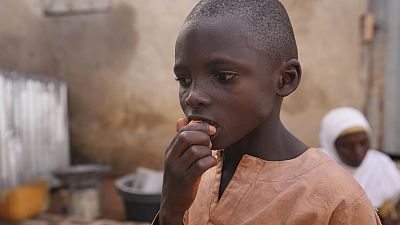
More than 40 million people are now struggling to feed themselves across West and Central Africa with that number set to rise to 52 million by the middle of next year, the United Nations food agency said Friday.
According to a new report released Friday, the World Food Program said 3.4 million people are currently facing “emergency levels of hunger” in the region, representing a 70% increase in such cases since the summer.
The report said conflict, displacement, economic instability and severe climate shocks are driving food insecurity. The ongoing conflict in the Sahel, as well as the Sudanese civil war, have forcibly displaced over 10 million people across the region. Massive flooding in Nigeria and Chad earlier this year has made the situation acute.
Although the numbers are staggering, the new report reduces last year's estimate of the number of people facing food insecurity by 7.7 million. The WFP attributes the drop to better-than-average rainfall and marginal security improvements, which are unlikely to continue improving.
Still, the WFP report says food insecurity will next year touch nearly one in ten people in West and Central Africa which the World Bank estimates is home to over half a billion people.
Margot van der Velden, WFP’s regional director for Western Africa, said the “vicious cycle of hunger” in the region can be broken with better planning and preparedness.
“We need timely, flexible, and predictable funding to reach crisis-affected people with lifesaving assistance, and massive investments in preparedness, anticipatory action and resilience-building to empower communities and reduce humanitarian needs,” said Van der Velden.





10:00
Cameroon: Thousands flee the Far North after Boko Haram attack [Africanews Today]
02:03
US again denies Palestinian leader Abbas visa to attend UN assembly
Go to video
Nigeria arrests Mexican national as authorities uncover suspected meth lab
Go to video
Uganda's Tooro kingdom succession disputed after death of King Oyo
Go to video
Madagascar ex-Senate president sentenced to 10 years over protest crackdown
01:02
Aid cuts leave millions of Somali children facing hunger