



Uganda
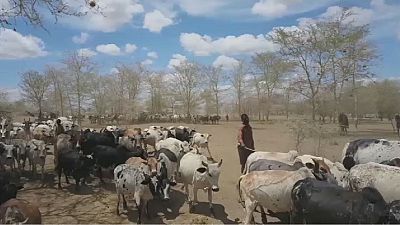
In northeastern Uganda, Karimajong pastoralists have a reason to smile.
Their herds are looking healthy and strong. The rainy season has brought lots of pasture and water to this region mostly known for its arid conditions.
“There is water now but it won’t stay when the dry season starts. We have asked for this dam to be expanded or for a new one to be dug there,” says Lomilo Lokuny, a pastoralist in the area.
In a couple of weeks, this lush vegetation will turn to this; scorched and bare earth. Longer dry spells attributed to a changing climate have worsened conditions for pastoralists and have hit Karamoja’s cattle economy hard.
“But it is not just climate change that people here have to worry about. In recent years they’ve come under increasing pressure for a more settled way of life. Also, land use practices in Karamoja have been changing, giving way to new industries such as mining and agriculture. Pastoralists have also been blamed for fueling conflict with farmers,” reports Ronald Kato, Africanews journalist.
A campaign is underway to dissuade herders to abandon pastoralism for crop farming. Many national and local authorities have openly voiced opposition to pastoralism and sought to contain movements in search of water and pasture during the dry seasons.
“Settling down is a very good idea, but it will work in areas that have enough resources for cattle. And it will only work in areas where land is equitably enough for everybody,” said Napaja Andrew Keem, a local government leader in the area.
But without the requisite weather conditions and infrastructure to support agriculture, activists say pastoralism remains the only resilient form of sustenance for the region and that herders should be left free to be mobile.
“Restriction of mobility will incapacitate or make the the practice of pastoralism not possible because mobility is the core production factor,” said Simon Peter Longoli from Karamoja Development Forum, which does research and advocacy on land, pastoralism and governance in the region.
Karamoja has battled decades of underdevelopment. Now activists and pastoralists fear that a negative government policy and climate change may be conspiring to bring an end to a phenomenal way of life.


01:08
Uganda's King Oyo buried amid bitter succession dispute
02:15
Drivers 'shocked' as Uber exits Nigeria, Uganda with competition, costs rising
Go to video
Uganda: Investigations into former Speaker of the House dropped
01:06
DR Congo: Prosecutors seek 15-year prison sentence for ex-justice minister
01:11
Ugandan MPs vote to deploy soldiers to Gaza peacekeeping force
01:58
Ugandan Opposition Leader Kizza Besigye in intensive care, wife says