



Ghana
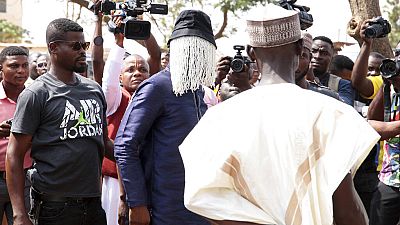
A U.S. court has ruled in favor of Ghanaian investigative journalist Anas Aremeyaw Anas, awarding him $18 million (£14 million) in damages after finding that former Ghanaian MP Kennedy Agyapong defamed him.
The dispute traces back to Agyapong’s remarks following Anas’s 2018 BBC investigation into football corruption across Ghana and Africa. In a 2021 podcast, Agyapong accused Anas of being a "criminal" and falsely linked him to the murder of journalist Ahmed Hussein Suale, who was killed in 2019. Seeking justice, Anas filed a lawsuit in New Jersey, where Agyapong owns property.
On Tuesday, an eight-member jury in Essex County Superior Court upheld an earlier verdict, holding Agyapong liable for defamation. The ruling included $8 million in punitive damages.
Anas hailed the decision as a victory for press freedom and investigative journalism. “This is not just about me but about truth and accountability. No amount of threats will stop us from exposing corruption,” he said.
Agyapong’s legal team argued that the lawsuit did not belong in the U.S. and that his remarks should be considered opinions rather than defamatory statements. However, the court rejected these claims.
Meanwhile, in Ghana, police have arrested a suspect linked to the killing of Ahmed Hussein Suale. The individual allegedly shared images of the journalist with a well-known politician before his death. Suale had worked with Anas on the football corruption exposé featured by BBC Africa Eye.
Despite ongoing challenges, Anas remains committed to his investigative work, emphasizing that intimidation will not deter his pursuit of justice and accountability.



01:05
Senegal lays first criminal charges over political unrest between 2021 and 2024
Go to video
Ozempic, Wegovy and Mounjaro face US lawsuits over rare vision-loss risk
01:02
18 suspects appear in US court over Haiti president's killing
01:02
Major US TV networks pause White House pool coverage over Trump media ban
10:00
Cameroon: Thousands flee the Far North after Boko Haram attack [Africanews Today]
Go to video
Nigeria arrests Mexican national as authorities uncover suspected meth lab