


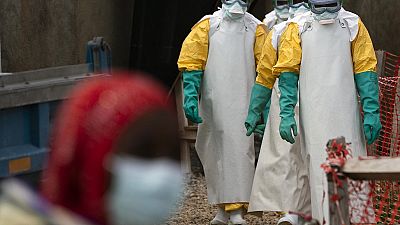

Democratic Republic Of Congo
A mysterious illness has claimed the lives of numerous individuals and left many more ill in the northwestern Equateur province of Congo, as reported by WHO spokesperson Tarik Jasarevic during a UN briefing on Tuesday.
Jasarevic emphasized the alarming nature of these outbreaks, which have seen a swift increase in cases over a matter of days, presenting a serious threat to public health.
Despite extensive testing, samples have returned negative for both the Ebola and Marburg viruses, leaving health officials puzzled about the underlying cause of the outbreak.
The troubling situation began on January 21 in two remote villages within Equateur province, where there have been 419 reported cases and 53 fatalities.
The villages, located over 120 miles apart, have raised questions about whether the cases are interconnected.
The mode of transmission remains uncertain, particularly regarding the potential for human-to-human spread.
Notably, the first reported victims in one village were children who consumed a bat and succumbed to the illness within 48 hours, according to the Africa office of the World Health Organization.
In light of these developments, Jasarevic stressed the urgent need for support for local health authorities.
He pointed out the challenges faced in these remote areas of Congo, which are characterized by limited laboratory and surveillance capabilities, as well as difficult access and infrastructure.
To effectively address the outbreak, it is crucial to assist local health officials in transporting samples to the nearest laboratories equipped to handle such cases.

01:53
Thousands watch partial solar eclipse in north of Algeria
02:10
DRC: World Health Organisation Chief sounds alarm on ebola outbreak
01:48
More than 300 children have died from Ebola since start of DRC outbreak
Go to video
WHO calls for more support to tackle Ebola outbreak
02:04
Thousands attend funeral for Zimbabwe family murdered in Britain
01:26
DRC: Kinshasa residents try to maintain daily life as ebola worsens elsewhere