



Ghana
Ghana and the United Kingdom signed a trade agreement worth $1.6 billion on Wednesday, in one of the latest bilateral deals since Britain exited the European Union.
The agreement will allow duty-free and quota-free access for Ghana to the UK market and preferential tariff reductions for UK exporters to the Ghanaian market, according to a statement on the UK government website dated in February.
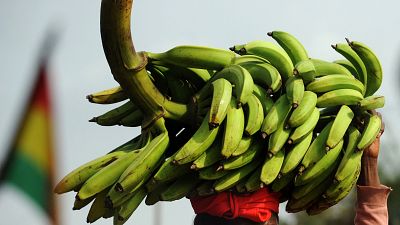
It means Ghanian products such as bananas, tinned tuna and cocoa can be traded to Britain without tariffs.
Before the UK left the EU, Britain set up UK Economic Partnerships with 16 African countries so it could continue deals it already had while it was in the EU.
They are the same pacts as what the EU offers Africa, which is African countries do not pay tariffs or duties on exports to the UK.
But Ghana was not included, which meant without a trade deal, Ghanian importers faced tariffs and extra paperwork.
The UK also signed a trade deal with Egypt in December.
The UK government said Ghana’s largest exports to Britain include mineral fuels and oil, preparations of fish, fruit, cocoa and cocoa preparations.
“The Agreement will enter into effect following the completion of relevant internal procedures required in both Ghana and the UK,” both governments said in the statement.
The UK wants to trade big with Africa and sees the continent's potential.
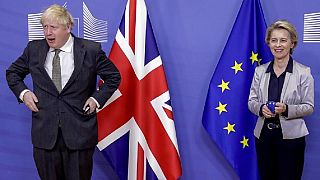
British Prime Minister Boris Johnson skipped Davos to host the UK-Africa investment summit in 2020 and deals worth almost 8 billion US dollars were announced.
However, the UK is likely to prioritise deals with the EU, United States, China, South Korea and Australia ahead of Africa.



01:06
BRICS: Ghana's parliament gives green light to formal application
01:56
African leaders call for continent to unlock capital at Egypt business summit
01:00
Robot valet parking at Gatwick Airport promises safer, easier long‑stay car storage
00:56
Masked anti-immigration protesters disrupt UK's Dover port
00:56
Notting Hill Carnival kicks off in a burst of colour and Caribbean tradition
02:00
UN and partners strengthen Ebola preparedness in South Sudan border town