


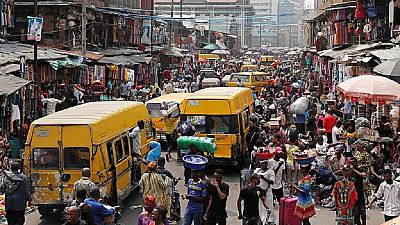

Nigeria
Nigeria’s economy grew 1.87% in the first three months of 2020 from a year earlier, the statistics office said on Monday, shrinking from the previous quarter as oil prices and international trade fell due to the coronavirus pandemic
It is the slowest quarterly growth rate in one-and-a-half years, and comes as Nigeria has still not recovered from a 2016 recession that sent more than 13 million people into unemployment.
The slowdown reflects “the earliest effects of the disruption” from the global outbreak, said Nigeria’s National Bureau of Statistics, and comes as the government expects Africa’s largest economy to contract this year as much as 8.9% in a worst case scenario.
Nigeria’s crude production was 2.07 million barrels a day, the statistics office said, the country’s highest level in more than four years.
But a global oil price crash due to reduced demand from the pandemic threatens to offset those gains, with annual growth in the oil sector contracting 1.3% from the previous quarter to 5.06%.
The non-oil sector was also hit: growing by just 1.55%, which was down 0.72% from the last three months of 2019, the statistics office said.
The World Bank expects the coming recession to be “much more pronounced” than in 2016 and potentially Nigeria’s worst financial crisis in four decades.
Agencies




01:06
Nigeria: Religious leaders unite for social peace in West Africa
01:09
South Africa: Beauty Queen Chidimma Adetshina fights deportation
00:52
US national debt tops 40 trillion dollars for first time
02:21
The Nigerian fishing community being eaten up by the Atlantic
02:13
Nigeria's rescued kidnap victims face physical and psychological toll
11:19
Decoding Nigeria’s crypto shift and transforming diaspora cash into capital {Business Africa}