



Emmerson Mnangagwa
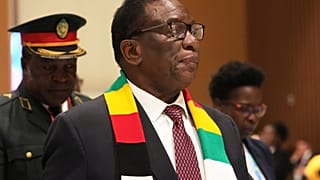
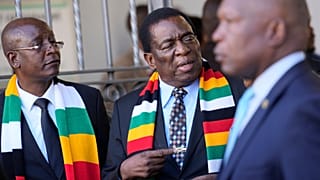
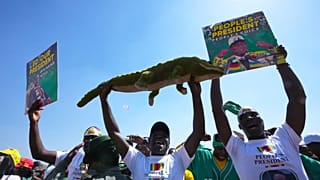
There were mixed reaction in Zimbabwe's capital Harare on Wednesday, a day after President Emmerson Mnangagwa signed into law constitutional changes that will extend his term to 2030 and scrap direct presidential elections.
"It’s now law and we can’t change it but if you look around the most important and basic things are not being taken care of," says Harare resident Allen Isam.
"For instance unemployment is very high and there are now many vendors and touts even beggars on the streets. Yet now they talk about extending the term to seven years when we are suffering like this, they are only passing this law to suit themselves and we are not comfortable with this law at all."
But resident Enerst Karo sees it differently: "We don’t have a problem with the new law, all we need is the current leadership as it is and for the president to continue ruling.”
The raft of amendments includes giving parliament the power to appoint the president. The ruling ZANU PF say the changes will enhance political stability.
But human rights lawyer Doug Coltart says the bill should have been submitted to a referendum:
"The bill is no longer a bill, it is part of our law but that doesn’t necessarily mean that it is lawful or that it can’t be challenged. It can be challenged and one of the many grounds on which that it will be challenged is that the process by which the constitution was amended was not done lawfully.”
Mnanagwa came to power in 2017 in a military-backed coup that ousted long-time leader Robert Mugabe. He’s since been elected to two five year terms, the constitutional limit for a president.

01:43
Mixed reactions after prominent Zimbabwe businessman dies in helicopter crash
00:55
Zimbabwe probes helicopter crash that killed tycoon Chivayo
01:01
Tunisia president softens 'fake news' decree after criticism by rights groups
01:01
São Tomé and Príncipe's main opposition party wins most seats in polls
00:57
President Mnangagwa highlights economic gains, warns of drought risk in Zimbabwe
00:59
Guinea opposition figure and former PM Toure dies in Paris