



Guinea-Bissau
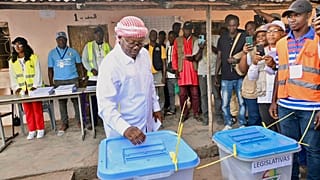
Umaro Sissoco Embaló is pushing to make history this month by becoming Guinea-Bissau’s first sitting president in 30 years to win re-election.
But his first term has been anything but calm. Since taking office in 2020, his government has reported several attempts to overthrow him, including a dramatic 2022 attack that saw hours of gunfire near the cabinet building.
Meanwhile, the country’s cocaine trade is thriving.
A recent civil society report suggests trafficking may be more profitable than ever, adding yet another layer of instability.
Embaló, a 53-year-old former army general, has also faced constant challenges to his legitimacy, critics say he didn’t win the 2019 election fairly and accuse him of overstaying his mandate.
Even so, he heads into the November 23 presidential and legislative elections as the clear favorite, helped by the exclusion of his main rival, former prime minister Domingos Simões Pereira. But a second term won’t make governing easier.
Guinea-Bissau remains heavily dependent on volatile cashew exports, and major goals like reducing poverty and improving health and education remain elusive.




01:10
Guinea-Bissau elections in doubt as Senegal urges military to ease restrictions
01:09
Guinea-Bissau's electoral commission says conditions for December polls not met
00:57
Brazil's presidential election heads to runoff between Bolsonara and Lula
02:09
Tinubu's economic reforms draw mixed reactions ahead of Nigeria election
00:56
Exiled Guinea-Bissau President Embalo signals return amid political tension
01:19
Guinea-Bissau votes 'yes' in referendum for new constitution