



Shipping
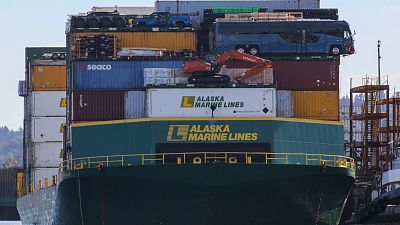
The world’s largest maritime nations are gathering in London Tuesday in a bid to strike a historic climate deal that could reshape the global shipping industry.
At the heart of the talks is a proposal to introduce a global fee on greenhouse gas emissions from ships, the first of its kind. If adopted, the measure would drive the sector away from heavy fossil fuels and toward cleaner, climate-friendly alternatives.
“We're on the brink of a major step forward in the efforts to tackle catastrophic climate change,” said Delaine McCullough, shipping program director at the Ocean Conservancy. “And it's coming from maybe an unexpected place, the International Maritime Organization.”
The proposed Net-Zero Framework would introduce a marine fuel standard that tightens over time, gradually lowering the emissions ships are allowed to produce. With maritime transport responsible for nearly 3% of global emissions and rising the need for change is urgent.
“The goal is to force the shipping industry to switch away from fossil fuels,” said Faig Abbasov, shipping director at Transport and Environment. “It also includes an economic component that can fund green fuel production.”
However, the proposal faces fierce resistance. The Trump administration has rejected the deal and warned of retaliation if nations move forward, setting the stage for a geopolitical clash over climate action.






00:27
Somaliland looks to Israel for help with water crisis
01:00
Floods in western France leave two dead and 81 departments on alert
01:05
Madagascar cyclone death toll rises to 59 as devastation mounts
01:07
Madagascar requests international help after cyclone devastation
00:50
At least 20 killed as Cyclone Gezani tears into Madagascar
01:06
Electric boda bodas offer cleaner rides and new jobs in Uganda