



Tanzania
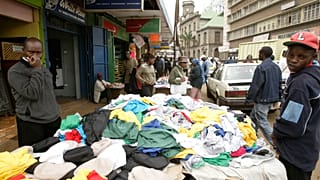
Tanzania is cracking down on foreign participation in key sectors of its economy. Under a new directive, foreigners are now prohibited from engaging in 15 business areas considered essential to grassroots economic empowerment. These include running salons, small retail shops, eateries, and mobile money kiosks — businesses traditionally dominated by Tanzanians.
Violators face tough penalties, including fines of up to 10 million Tanzanian shillings, the equivalent of nearly 3,900 US dollars, or up to six months in prison. Foreigners may also lose their residence permits and visas. Tanzanian citizens who assist non-citizens in these restricted businesses could be fined up to 5 million shillings or jailed for three months.
The government says the move is aimed at boosting local job creation and income. But the decision is raising concerns across the East African Community. Many view it as a non-tariff barrier to regional trade and integration.
With around 40,000 Kenyans living and working in Tanzania, many in the informal sector, the impact on livelihoods could be significant. Other countries, including Rwanda, Burundi, South Sudan, Somalia, and the Democratic Republic of Congo, may also be affected.
Fears are growing that this could spark tit-for-tat measures from neighboring states and threaten regional unity.
This directive follows another bold economic step taken in May, when Tanzania banned the use of foreign currencies in domestic transactions, requiring all payments to be made in Tanzanian Shillings.






01:16
Nigerian oil tycoon Dangote says Africa will be mostly fuel self-sufficient by 2030
02:20
Kenya’s Quakers are using song and dance to keep younger generations in church
11:19
Dangote’s Big Energy Expansion: From Nigerian Refinery to African Powerhouse {Business Africa}
01:19
Kenya's Ruto calls for permanent African representation on UN Security Council
00:54
Teleperformance Kenya faces allegations over workers’ rights
02:01
Kenya: Health workers increasingly concerned in wake of USAID cuts