



Kenya
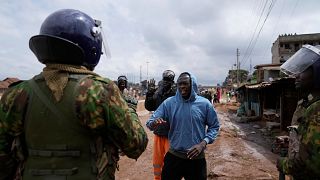
Police in Nairobi blocked major roads into the Kenyan capital on Monday ahead of planned anti-government protests.
Private and public vehicles and most pedestrians were barred from accessing the city centre, and many businesses remained closed.
Police used tear gas and water cannons to disperse any crowds that managed to gather.
Kenyans had planned demonstrations to protest police brutality, and poor governance, and to demand the resignation of President Ruto over alleged corruption and the high cost of living.
July 7 is a significant date in Kenya’s recent history. It marks the first major protests 35 years ago that called for an end to the one-party state and the transition to a multiparty democracy.
The Kenyan capital has seen a number of violent protests since Ruto took office two years ago. In 2024, angry crowds stormed parliament during anti-tax demonstrations. Last month, protests erupted following the death of blogger Albert Ojwang in police custody.
Ruto campaigned on empowering the working class but has since introduced new taxes and cut fuel subsidies. He has also failed to deliver on a promise to curb police brutality.




01:28
Smashed storefronts, burned buildings: France wakes up to aftermath of violent protests
01:00
Thailand: Bangkok protesters decry IMF and World Bank, warn of destructive capitalism
01:06
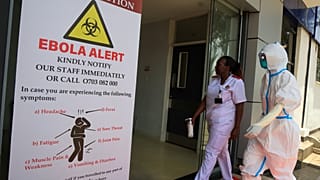
Kenya reports second Ebola case, family member of first patient
01:00
Albania: Student protests in Tirana turn violent as Flamingo Revolution escalates
02:18
Kenyans in border town 'afraid' of Ebola risk after first death
02:00
Police clash with protesters in Brussels as thousands march against spending cuts