



Mozambique
The aftermath of Mozambique’s disputed presidential election has driven nearly 3,000 people to seek refuge in neighboring countries, as violence and unrest continue to grip the nation.
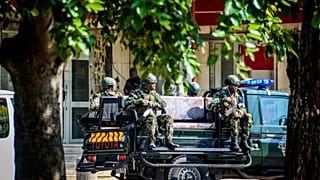
The defeated presidential candidate, Venancio Mondlane, canceled a planned address on Thursday, January 2, where he was expected to outline the next phase of the opposition’s protest movement. For nearly two months, Mozambicans have been demonstrating against the October 9 election results, which saw the ruling Frelimo party, in power since independence, retain the presidency.
Refugee Influx in Eswatini and Malawi
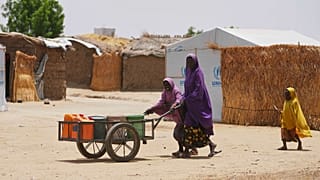
According to an internal note from Eswatini’s authorities, nearly 1,000 Mozambicans have crossed the border into the kingdom over the past two months. Many have found shelter at the Malindza Refugee Centre near the border, which is now overwhelmed. Originally designed to house 250 people, the facility is struggling to accommodate the influx, according to the UN Refugee Agency (UNHCR). The UN is urgently seeking additional funding to address the crisis.
Further north, Malawi has also seen a surge in refugees, with nearly 2,000 Mozambicans arriving in just one week, the UNHCR reports. Many fled after attacks and looting in their villages, risking their lives to cross the Shire River by swimming or using makeshift boats.
A Growing Humanitarian Crisis
As tensions persist in Mozambique, the strain on neighboring countries and international aid organizations continues to grow. With limited resources and an increasing number of displaced people, the region faces mounting challenges in addressing this escalating humanitarian crisis.

01:00
Philippines: 'Trump out!' Women rally ahead of ASEAN summit
01:00
Netherlands: Sea of red fills Amsterdam streets in Gaza protest
01:00
Portugal: Housing protesters return to Lisbon square after court ruling
01:27
Tanzania still haunted by deadly election violence one year on
01:00
Israel: protesters demand Arab-Jewish unity government after election
02:17
Humanitarian situation worsening in Sudan's camps for displaced people