



COP29
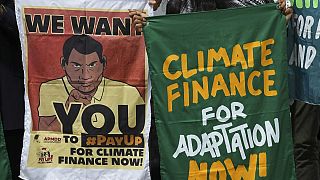
On the second day of COP 29 in Baku, Azerbaijan, the UN chief urged the most industrialized nations to honour their commitments in the financing for climate adaptation.
Antonio Guterres was speaking during a panel event at the annual UN climate talks on Tuesday (Nov. 12).
"...We urgently need developed countries to honor their commitment to double finance for adaptation to at least 40 billion U.S. dollars a year by 2025. And we need meaningful contributions to the new Loss and Damage fund and to ensure it is a destination for innovative finance."
These missing dollars are not abstractions on a balance sheet: they are lives taken, harvests lost and development denied,” he added.
International public adaptation finance flows to developing countries increased from US$22 billion in 2021 to US$28 billion in 2022. This reflects progress towards the 2021 Glasgow Climate Pact, which urged developed nations to at least double adaptation finance to developing countries from about US$19 billion in 2019 by 2025.
However, even achieving the Glasgow Climate Pact goal would only reduce the adaptation finance gap, which is estimated at US$187-359 billion per year, by approximately 5 per cent.
Even though international public adaptation finance flows to developing countries has increased, the progress remains minimal in the face of urgent challenges, Kenya's representative said.
"The world is setting new records in renewable energy deployment, leaving Africa behind," Musalia Mudavadi, the Prime Cabinet Secretary and Cabinet Secretary for Foreign and Diaspora Affairs said.
"Our continent accounted for just 0.5% last year. So if we are to translate our ambition, commitment and vision to impact on the ground, we must look for Innovative solutions that can help drive new capital into green industries, create jobs for our youth and strengthen Africa's infrastructure for the next level of growth."
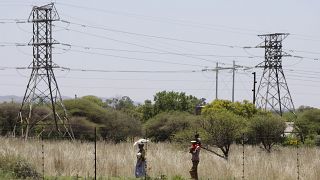
African nations need the funds richer nations have pledged because the continent is hardly hit by the climate crisis. It must improve its resilience to extreme weather events, such as droughts or floods, increase tree cover and protect biodiversity, as well as expand their renewable energy capacity.
"Africa is on the front line for many climate impacts and it is crucial that is also on the front line for many of the benefits of this transition as well, by building strong, sustainable economies that provide training and job opportunities for Africa's young people," John Podesta, U.S. Climate Adviser said.
According to the World Meteorological Organization, African countries are losing 2-5% of GDP and many are spending up to 9% of their budgets for climate adaptation policies.




01:03
Invasive mosquito sparks malaria fears across Africa
01:08
30 African countries included in permanent visa bond scheme
01:00
Former Senegalese leader Sall's bid for UN top job in trouble after straw poll
01:01
United Nations calls for an end to crackdown on civic freedoms in Uganda
01:07
United Nations extends sanctions against armed groups in Central African Republic
Go to video
Kenya probes death of 15 elephants at Amboseli park