



Nigeria
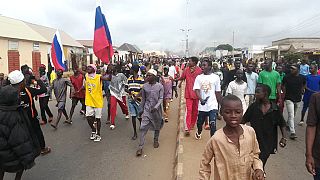
On Sunday, demonstrators in Lagos expressed their thoughts on an early request made by Nigerian President Bola Ahmed Tinubu to halt the weeks-long protests in the country against economic challenges.
Nigerian President Bola Ahmed Tinubu stated, “As the president of this country, I must ensure public order. In line with the constitutional oath to protect the lives and property of every citizen. Our government will not stand idly by and allow a few with a clear political agenda to tear this nation apart. Under this circumstances, I hereby enjoin protesters and the organizers to suspend any further protest and create room for dialogue.”
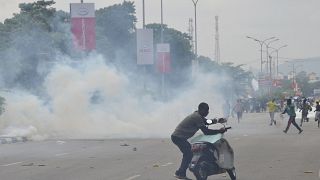
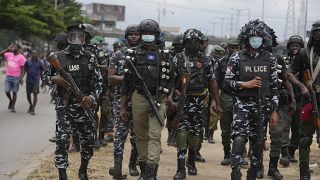
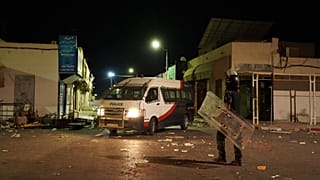
The protests, which commenced on Thursday, have been marked by reports of looting and vandalism, along with allegations of security personel employing excessive force.
According to protester Opeyemi Folarin, "The president's speech this morning was disappointing; he missed a significant chance to show empathy and engage with the pain and struggles of the Nigerian people."
Another protester, Ayisat Omolara, expressed her disappointment with the president's speech this morning, stating that he failed to acknowledge their dialogue and demands, and instead told irrelevant stories.
The demonstrations are a reflection of the frustration caused by the severe cost-of-living crisis and allegations of mismanagement and corruption in Africa's most populous nation, a top oil producer where the large incomes of government officials sharply contrast with the high levels of poverty and hunger.
Lagos Police Commissioner Adegoke Fayoade issued a stern warning to protestors, stating that any further gatherings, whether here or elsewhere, are deemed unlawful and illegal.
He emphasized that the full force of the law will be enforced against any such gatherings.
According to Amnesty International, nine protesters were killed in clashes with police, and four more died in a bomb explosion.
Nevertheless, the Nigerian police have disputed the accuracy of Amnesty's report.
Tinubu's supporters claim that the protests are driven by political motives.
His election last year faced opposition challenges, as he secured only 37% of the vote, the narrowest victory margin for any Nigerian president in history.
Additionally, the election saw the lowest voter turnout since Nigeria's return to democracy in 1999.
The demonstrators have also drawn inspiration from young Kenyans who organized rallies last month.
01:00
Tibetan protesters in New Dehli denounce China with shaved heads and prayers
00:49
South Africa: Consumer inflation rate eases in July for first time in five months
01:45
Nigeria: Mass wedding sees 1,500 couples tie the knot in Kano State
02:08
Freed hostages in Nigeria describe their ordeal during captivity
00:51
Ghana inflation continues to ease in July as food prices fall
Go to video
Ghana opposition protests over claims of ‘democracy under attack’