


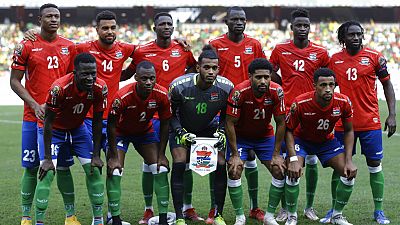

Gambia
A plane carrying the Gambia national football team made an emergency landing after a sudden loss of oxygen during its flight to participate in the Africa Cup of Nations.
A chartered flight on Wednesday carrying the "Scorpions" returned to Banjul, Gambia's capital, after flying for nine minutes when the crew realized there were technical problems, the Gambia Sports Federation said. football in a press release published on Facebook.
“Upon landing, preliminary investigations indicated that there was a loss of cabin pressure and oxygen,” the federation said.
The airline Air Cote d'Ivoire is currently assessing the situation to determine the cause of the lack of oxygen and pressure in the cabin.
The players were on their way to participate in the Africa Cup in Ivory Coast, which begins on Saturday. This is the 34th edition of the biennial tournament, which was scheduled to take place in June and July last year but was postponed to avoid Ivory Coast's tropical rainy season.
Gambia's Belgian coach Tom Saintfiet, who was on the plane, told Belgian broadcaster VRT that the team had narrowly escaped death. "We all suffered from carbon monoxide poisoning. Some players also did not wake up immediately after landing," he said.
In an Instagram post, Gambian player Saidy Janko said the lack of oxygen left people with severe headaches and extreme dizziness, with people falling asleep within minutes of takeoff.
The team is expected to take another flight to Ivory Coast on Thursday afternoon and travel to the town of Yamoussoukro where some matches are taking place, the federation said.



Go to video
Ballon d'Or 2026: Hakimi, Mané among African nominees
00:51
Balogun omitted from Monaco Conference League squad after transfer collapse
01:03
Eto'o backs FIFA's Infantino as World Cup sell-off plan backfires
01:49
Disappointment as Ivory Coast keeps cocoa price unchanged
01:40
'Nobody will replace him': Argentina fans react to news of Messi's retirement
01:11
Messi retires from International football after 21 years with Argentina