



Libya
Are tensions once again flaring between Libya's rival governments?
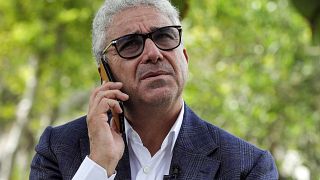
Khalifa Haftar, the de facto ruler of the country's east, called for an equitable distribution of oil revenues on Monday (Jul.04).
He also set an end-of-August deadline for this be done, hinting at repercussions in the absence of a deal. Haftar has threatened on numerous occasions an armed blockade on oil exports.
Haftar urged to create a commission responsible for putting in place financial arrangements.
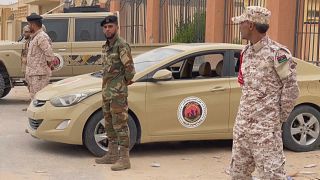
He was making an address before his troops in Rajma (25 km east of Benghazi) in his headquarters.
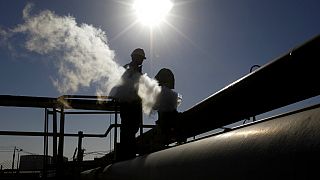
Oil revenues, the country’s main source of income is often at the heart of disputes between the camps.
The revenues are managed by the National Oil Company and the Central Bank, based in Tripoli.
Libya’s oil revenues rose to $22.01 billion in 2022.
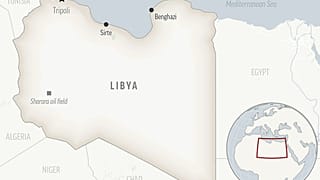
Since 2011, the country has been rocked by divisions between the east and west where parallel governments are based. The UN only recognises the Tripoli-based administration.
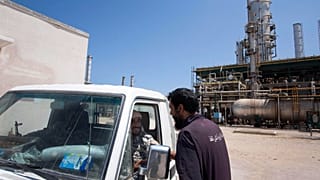
Libya is home to Africa’s largest oil reserves.
Go to video
Libya: Fifteen years after Gaddafi, country still divided
00:54
Senegal hikes fuel prices amid surge in global oil markets
01:37
Cuba marks 100th anniversary of Fidel Castro's birth amid energy crisis
01:16
Libya oil company says blazes contained after drone attacks on complex
00:52
Libya’s central bank governor resigns without explanation
11:18
Zambia: Economic test looms for next administration [Business Africa]