



Ghana
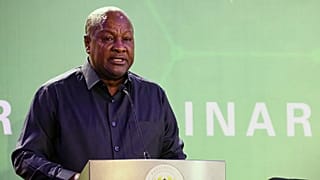
Ghana’s President John Mahama has outlined the ruling party’s plans ahead of the December election.
During his speech on Tuesday, Mahama said he had innovative plans for the industry, energy, health and education sectors which will consolidate achievements so far and introduce new plans that will launch Ghana into a “new era of accelerated growth and transformation of the economy.”
““With the renewed mandate I am seeking, to begin my second and final term, we will continue policies and programmes and introduce new initiatives that are consistent with our key social democratic principle of equitable development. We still have more roads to construct, more houses to build, more food to produce, additional educational and health facilities to provide and most importantly, more jobs to create,” he said in a manifesto presented to an audience at the state banquet hall on Tuesday.
Mahama believes his government plans can stipulate economic growth, especially the vital cocoa, oil and gold sectors, in a manner which will be highly beneficial to the population.
Mahama will be bidding for a second and final term in December in a country where policy debate is considered highly essential in winning the hearts of voters.
Both the ruling and opposition parties have been under pressure to explain how they will fund their pledges at the time when Ghana is following a three year international monetary fund programme designed to restore economic stability.
Ghana is the world’s second largest producer of cocoa, and President Mahama counts on public-private partnerships to raise cocoa production from 750.000 tons to about 1 million tons.
02:15
São Tomé and Príncipe gears up for elections as voters hope for change
01:09
Morocco’s PAM leads parliamentary election with turnout at two-decade low
01:33
Analyst flags uncertainty over South Sudan polls after government dismissal
02:17
Morocco: Youth vote in focus ahead of first parliamentary elections since Gen Z protests
01:37
Parties intensify campaign as Morocco approaches legislative elections
02:27
Gambian businesses struggle under prolonged blackouts