



Benin
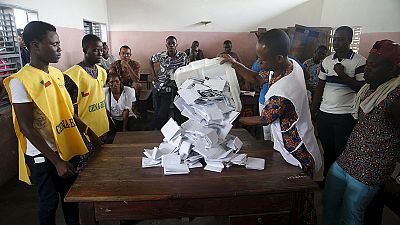
Voters in Benin cast ballots on Sunday in a run-off election that pitted outgoing President Thomas Boni Yayi’s hand-picked successor against his former ally turned political rival in a highly competitive race.
By relinquishing power after serving two terms in office, Boni Yayi stands in contrast to leaders in other African nations, including Burundi, Rwanda and Congo Republic, who have altered their constitutions in order to extend their rule.
Prime Minister Lionel Zinsou, a former economist and investment banker backed by both Boni Yayi and the main opposition Democratic Renewal Party, won a March 6 first round of voting with 28.4 percent of ballots.
He faces Patrice Talon, a businessman and powerful figure in the West African nation’s cornerstone cotton sector, who garnered 24.8 percent of first-round votes.
There was no clear frontrunner in the poll, and campaigning centred largely on how to best revive the economy, which isflagging in part due to falling oil prices that have hit its neighbour and largest trading partner Nigeria.
Civil society groups denounced both candidates’ campaigns on Friday for allegedly distributing cash in an attempt to buyvotes.
The election is nonetheless expected to reinforce Benin’s credentials as a model of democracy in sub-Saharan Africa. It became the first nation in the region to move from dictatorship and single-party rule to multi-party democracy when it held elections in 1991.






01:37
Parties intensify campaign as Morocco approaches legislative elections
02:27
Gambian businesses struggle under prolonged blackouts
01:02
Lionel Messi set for emotional farewell as Argentina faces Benin
01:15
Cape Verde's President Neves to run for re-election in November
01:00
University students launch ‘student list’ to shake up Serbia’s elections
02:13
Nigerian presidential hopeful Obi promises anti-corruption drive