



Guinea-Bissau
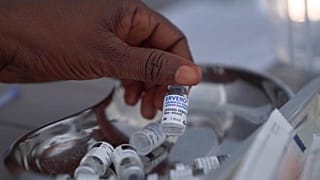
A controversial hepatitis B vaccine trial on newborns was given approval to move forward in Guinea-Bissau last week, according to a report from the Guardian.
The US-backed study will involve 14,000 babies in Guinea-Bissau. Danish researchers plan to withhold the vaccine from half of the newborns for the first six weeks of life.
The 1.6-million-dollar project is funded by the United States Department of Health. The country's Health Secretary Robert F. Kennedy Jr. has often professed his scepticism towards vaccines. Late last year, his advisers removed universal hepatitis B vaccine recommendations for US infants.
The trial in Guinea Bissau had been paused for review in January after it caused outrage among scientists.
But according to the Guardian, an ethics committee in Denmark greenlit the project last week, as did officials in Guinea Bissau.
Critics of the study had argued it would deliberately and randomly deprive infants from a vaccine that is proven to protect them, in a country with high rates of hepatitis B.
The Africa Centres for Disease Control and Prevention has opposed the trial. The body said last week there were “ongoing discussions” between the US and Guinea-Bissau and that more details would be revealed shortly, the Guardian reported.
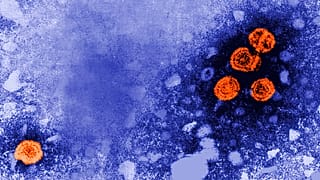
Over 12% of adults in Guinea-Bissau are estimated to be living with chronic hepatitis B, and infection in children under five is at about 2%, far above the global target of under 0.1%, according to the World Health Organization.
The country is planning to vaccinate all newborns against hepatitis B starting in 2028.
01:06
Kenya says no new Ebola cases since first-ever death
00:43
Two Americans win 2026 Nobel Prize in Economics for stabilisation models
01:00
Denmark tests humanoid robots in supermarkets to help to ease staff workload at night
02:00
Kenyan health ministry urges churches to raise awareness about Ebola
01:38
US missionary arrested in Haiti following child sex abuse allegations
01:10
Guinea-Bissau elections in doubt as Senegal urges military to ease restrictions