



Libya
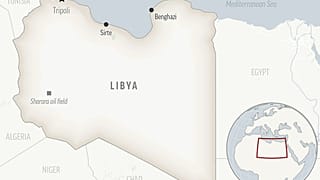
Thousands of people descended on the small town of Bani Walid on Friday to attend the funeral of a son of former Libyan dictator, the late Muamar Gaddafi.
Saif al-Islam, once seen by some as his father’s heir apparent, was shot dead by unidentified gunmen at his home in the north-western city of Zintan on Tuesday.
Bani Walid - a stronghold of the Warfalla tribe - together with Gaddafi’s hometown, Sirte, were the two final strongholds loyal to the Libyan ruler during the 2011 Arab Spring uprising.
Each year, it celebrates the anniversary of the 1969 coup that brought Muammar to power. He ruled Libya with an iron fist until being ousted and killed during the rebellion.
The large turnout on Friday, including people from other parts of the country, at the tightly secured event underscored the political divisions that have split Libya since then.
Saif al-Islam’s burial brought together thousands of Gaddafi loyalists.
"We are here to accompany our beloved one, the son of our leader in whom we placed our hope and our future," said Waad Ibrahim, a woman from Sirte which is nearly 300 kilometres away.
She blamed the country's eastern and western rival powers for his killing.
"They met in France to agree that the only obstacle standing in their way was Saif al-Islam," she said referring to a recent US-brokered meeting in Paris between officials from both sides.
Officials from Libya’s rival governments, the Tripoli-based internationally recognised Government of National Unity, and the Government of National Stability in the east, did not attend the funeral.
On Thursday, Prime Minister Abdelhamid Dbeibah's UN-backed administration condemned the killing of Saif al-Islam saying "assassinations never provided stability... but rather deepen division".
"The Libya we are working towards is a state of law and institutions, where disputes are managed through dialogue and by resorting to the will of the people," Dbeibah said.
Tripoli resident, Sabri Gachout, said Saif al-Islam's killing meant that "elections can now be organised without him in the electoral process".
“They wanted to get him out of the electoral race so that they could win. They succeeded in excluding him from the political scene by assassinating him. He had a good chance and was a leader for us," he said
In 2021, Saif al-Islam announced he would run for president.
But the elections committee disqualified him and the polls aiming to unify the country under a UN agreement were indefinitely postponed due to disputes over the constitutional framework and candidate eligibility.


01:18
UN hails Libyan agreement to move toward elections
01:29
Mourners in Algeria bid farewell to 10-year-old boy trapped for days in well
01:50
Guinea buries 36 victims of Conakry landfill collapse
02:05
In Ghana, larger-than-life coffins tell the stories of the dead
01:47
Libya's rival administrations agree to hold elections within 2 years
Go to video
Libya: Fifteen years after Gaddafi, country still divided