



Guinea-Bissau
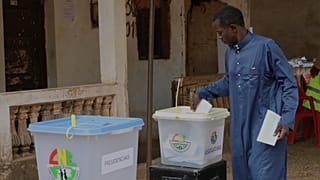
The presidential campaign in Guinea-Bissau kicked off this weekend without the main opposition party.
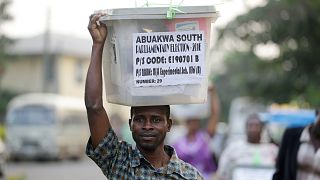
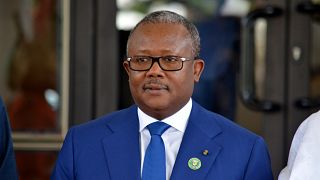
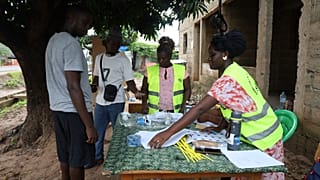
The country’s 860 000 voters will head to the polls on 23 November to elect a president and 102 parliament members. They will have to choose between 12 presidential candidates, including current president Umaro Sissoco Embaló, who appears as a favourite.
In an unprecedented move, the coalition led by the African Party for the Independence of Guinea and Cape Verde (PAIGC) has been excluded from the presidential and legislative elections.
The country’s supreme court ruled that the PAIGC and its candidate Domingos Simões Pereira had submitted their nomination too late.
Pereira is a former prime minister and President Embaló’s foremost rival. His party won the last legislative election in 2023
The upcoming vote will be the first general election without PAIGC since Guinea-Bissau's independence from Portugal in 1974.
The country’s political stability is a crucial issue in the vote to come.
Several senior military officers were arrested on Friday on accusations of trying to stage a coup. The army said it had thwarted an “attempt to subvert the constitutional order.”
“This sad episode, which involves some general and senior officers of our Armed Forces, jeopardises the peace and stability so desired for socio-economic development and the attraction of foreign investment,” the armed forces General Staff said in a statement.
Guinea-Bissau has gone through four coup and 17 coup attempts since 1974.

01:10
Kinshasa opposition protest dispersed as clashes leave one dead
02:13
Nigerian presidential hopeful Obi promises anti-corruption drive
01:19
Guinea-Bissau votes 'yes' in referendum for new constitution
00:37
Guinea-Bissau votes on stronger presidency as military transition nears end
01:02
Vote counting underway in Guinea-Bissau referendum that could expand presidential powers
01:02
Guinea: France joins calls for transparent investigation into mass grave