



Guinea-Bissau
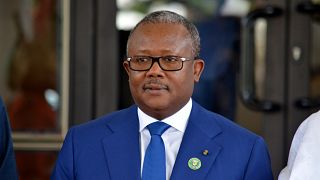
The president's term officially expired midnight Thursday.
But instead of a transfer of power, Embalo stayed on as president in what the opposition has termed as an illegal power grab.
He has vowed to continue discharging presidential duties until elections are held on November 23rd. Embalo is widely expected to seek a second term.
Experts now fear the possibility of a new constitutional crisis and the potential of political instability.
Guinea-Bissau’s constitution sets the presidential term at five years, with maximum two terms. The opposition says Embalo’s term should have ended on Feb. 27 but the nation's Supreme Court ruled that it should run until Sept. 4.
Over the past months, the opposition has refused to recognize Embalo as president.
Elections for a new parliament have also not been held since the previous assembly was dissolved in 2023.
The small West African nation has endured multiple coups since gaining independence from Portugal more than 50 years ago.
A mission by a West African regional bloc sent to Guinea-Bissau in March to help resolve the crisis left abruptly after what it said were threats of expulsion from Embalo.

01:00
Presidential campaign starts in Congo-Brazzaville
01:00
Cameroon President Biya delays elections once again
Go to video
Amadou Oury Bah re-appointed prime minister under Guinea's new government
00:07
US-backed hepatitis B vaccine study halted in Guinea-Bissau
00:59
Guinea-Bissau set to hold general elections on December 6