



Burundi
Aid operations in Burundi are under strain as thousands continue to flee escalating conflict in eastern Democratic Republic of Congo (DRC).
In less than a month, nearly 63,000 people have crossed into Burundi—marking the country’s largest refugee influx in decades. On 5 March alone, more than 1,100 people arrived, and while numbers have slightly declined, hundreds still enter daily through 11 border points, most of them unofficial. The majority are women, children, and the elderly, with many having been displaced before.
"I don't know what to feel, I fled here during previous conflicts," said Congolese refugee Sikujua Bisimura said. "Now I am here for the second time, there is no peace."
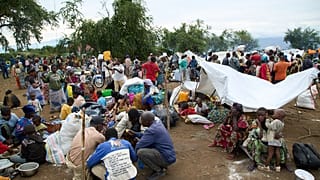
More than 45,000 refugees are currently sheltering at a stadium in Rugombo, near the DRC border, awaiting relocation to designated camps. The site has exceeded capacity, forcing some families to sleep in open fields or with host communities.
UNHCR and partners are working to provide emergency aid, including food, water, and medical assistance, but resources are stretched thin.
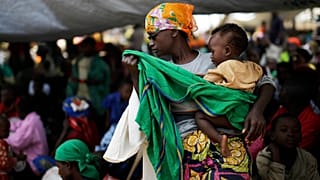
"The women and children lack everything, particularly shelter," said Aline Irakarama, an associate reporting officer at UNHCR.
A newly established protection desk is identifying urgent needs among arrivals, particularly unaccompanied children, survivors of sexual violence, and those with serious health conditions.
In Musenyi, a designated refugee site in the south, arrivals are settling into communal shelters as more housing is built. The site, designed for 10,000 people, is already 60 percent full. The Burundian government is working to identify additional land for refugee camps.
Medical care remains a critical need, including treatment for the wounded and psychosocial support for trauma victims. Efforts are also underway to ensure refugee children can continue their education, with plans to construct additional classrooms.
Burundi is among several countries facing severe funding shortages for refugee support. Without immediate financial aid, the situation will worsen, putting more lives at risk.
Since the recent surge in fighting, over 85,000 people have fled DRC to neighbouring countries—compared to fewer than 7,000 in the first two months of 2024 alone.


01:09
Rwanda, DRC agree to "ease tensions" after talks in Washington
07:00
'Abandoned by the world': Congolese rights activist calls for justice, peace and equal respect
01:05
DR Congo authorities begin investigations into drone strike
01:43
UN chief condemns killing of UNICEF worker in DR Congo strike
01:06
French aid worker among three killed in DR Congo air strike
01:59
M23 rebel group accuses DRC government of targeting civilians after drone strike