



Democratic Republic Of Congo
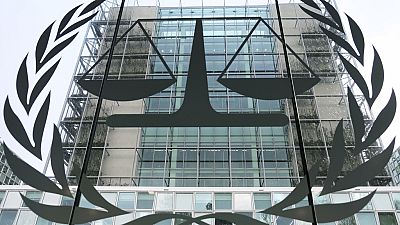
International criminal justice is slow, admitted Thursday in Kinshasa Mame Mandiaye Niang, deputy prosecutor of the International Criminal Court (ICC), but, he assured Congolese journalists sceptical about its effectiveness, she "does not get discouraged not".
The Democratic Republic of Congo had already referred the matter to the ICC in 2004, which opened an investigation and handed down three final convictions for crimes committed in the east of the country, which had been plagued by armed violence for nearly 30 years.
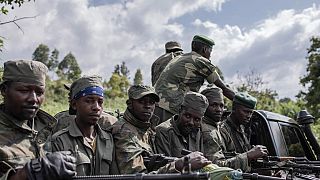
The jurisdiction was seized again this year by Kinshasa, which targets in particular the M23 ( "March 23 Movement" ), a rebellion, supported by Rwanda according to numerous sources, which has seized parts of territory in North Kivu. In June, the ICC prosecutor announced his intention to carry out a "preliminary examination".
It is necessary to "clarify" whether this second referral concerns "a new crime or the continuum of crime already denounced", declared Mr. Niang during a press conference, at the end of a three-day visit to the DRC. “We are assessing the situation,” he said.
Questions from journalists then revolved around when prosecutions would be initiated. “Our approach cannot be yours, the conclusion cannot come before the investigations,” noted the deputy prosecutor.
Then, questioned about the slowness of the procedures and the limited impact of the ICC's action "especially when we place ourselves on the side of the victims", Mr. Niang replied: "I must humbly agree with you". “What we are doing is far, very far from being enough, neither in terms of pace nor in terms of impact. ”
But, he continued, we must see "the crime that we deal with genocide, crimes against humanity, war crimes...", forms of crime "which often cause thousands" or even "people millions of victims.
The ICC mainly targets the "intellectual perpetrators of crimes, the leaders, who are often armed, powerful, difficult to access", Mr. Niang also underlined.
“What is reassuring is that this justice system is not discouraged, that it will take the time it takes, but will provide justice to the victims,” he said, recalling that crimes falling within of the ICC were imprescriptible.
International justice is therefore “useful for these victims, but also for all of humanity” , according to the deputy prosecutor. It carries “the message” that “we cannot kill people with impunity, particularly because of who they are, what they think or their beliefs” .

02:00
Clashes erupt between DR Congo opposition and pro-govt supporters in Kinshasa
01:59
South Africa: Commission begins probe into alleged links between politics and crime
00:55
Hundreds in DRC protest against constitutional amendment for 3rd presidential term
00:50
DRC: Copper price rises 0.51% on international markets
02:05
DRC: Children killed in Bukavu school fire laid to rest
02:00
Families of victims of a deadly fire in DR Congo gather at a morgue ahead of mass funeral