



Sudan
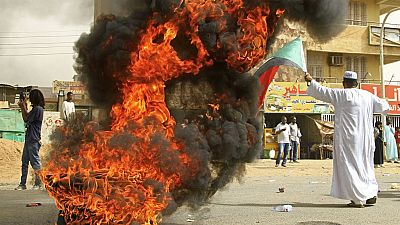
Talks aimed at ending Sudan's ongoing political deadlock began Wednesday (June 8), the United Nations said.
The country's main pro-democracy alliance is boycotting the meeting over a continued police crackdown on those protesting last October's military coup.
The U.N. political mission in Sudan, the African Union, and the eight-nation East African regional group Intergovernmental Authority in Development, IGAD, initiated the joint peace effort.
The effort aims to bring the generals and an array of political and protest groups to the negotiating table.
The military's takeover has upended Sudan's short-lived fragile democratic transition and plunged the East African nation into turmoil. Sudan had been transiting to democracy after nearly three decades of repression and international isolation under Islamist-backed strongman Omar al-Bashir.
The U.N., AU and IGAD launched the process Wednesday with a technical meeting involving the military and civilians. It came after months of separate discussions with an array of groups including the military and the pro-democracy movement.
The U.N. envoy for Sudan, Volker Perthes, said the process would discuss a "transitional program," including the appointment of a civilian prime minister and arrangements for drafting a permeant constitution and elections at the end of the transition.
Gen. Abdel-Fattah Burhan, the leader of the coup who also heads the ruling sovereign council, welcomed the talks as a "historic opportunity to complete the transitional phase."
In a speech to the nation late Tuesday, he urged all factions to take part in the talks, vowing that the military will implement their outcome.
"We are fully committed to working with everybody to end the transitional period as soon as possible with fair and transparent elections," he said.
However, The Forces for the Declaration of Freedom and Change, or FDFC — an alliance of political parties and protest groups — is boycotting the meeting. They say the talks should lead to "an end to the coup and the establishment of a civilian democratic authority." They also criticized the participation of pro-military groups and Islamists who had been allied with al-Bashir's government.
The alliance also called for the implementation of trust-building measures, including the release of coup-related detainees, and the ending of violence against protesters.
The talks come as the violent crackdown on anti-coup protests continued in the capital of Khartoum.

01:28
South Africa: Legal foreigners fearful as anti-immigrant deadline looms
01:08
Record number of African teams advance to World Cup knockout stage
01:26
Burkina Faso cuts diplomatic ties with France
01:18
UN Report accuses Israel of deliberately targeting children in Gaza
01:08
Race to rescue survivors trapped under rubble after twin quakes in Venezuela
01:07
UN adopts resolution upholding accountability for attacks on peacekeepers