



Niger
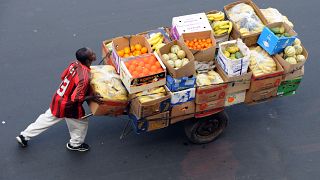
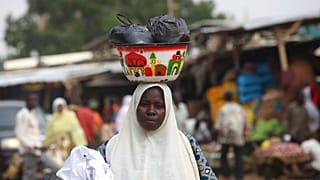
Nigerians like other African shoppers have to tighten their belts. Inflation and speculation have sent the price of commodities through the roof as the fasting month of Ramadhan approaches.
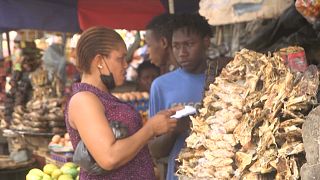
On the Dar Es Salam market in Niamey, Hadjia Hamsatou made an observation. Her 50,000 CFA francs budget doesn’t enable her to afford the same products anymore.
"I wanted to pay garlic. Before it was worth 100 CFA francs. I took a clove of garlic, and they told me 250 CFA francs. At the moment, You cannot eat well with the price increase."
Sahelian states experienced some of their driest conditions in years. According to vendors, the price increase is linked to the food deficit due to the poor rainy season.
"All the products that are expensive right now are imported, Illa Jikan Taguimba says. There has not been enough local production this year to satisfy demand.
The Secretary General of the national Importers, Exporters and Wholesalers Union cites different factors to account for this sudden increase: "The problem that led to the price increase is twofold. There is the problem of Covid 19, which we have not been able to control, and there is the problem of insecurity. To remedy this, we need to make a national production".
On his visit to Niger EU Commissioner for Crisis Management in February, Janez Lenarčič, promised an initial €43 million humanitarian aid as the country faces a food and nutrition crisis coupled with a deteriorating security situation.





00:57
Namibia’s president meets with Chinese Premier Beijing
00:54
IMF lowers global growth forecast amid geopolitical tensions
01:13
Uganda coffee exports hit by weaker prices
00:54
Egypt says it is expecting a further $1.7 billion from Europe within days
00:56
Ghana's inflation rises in June as high fuel prices persist
01:12
Nigeria looks to boost security cooperation with Benin and Niger