



Morocco
In Morocco, a Swiss company is helping to process organic waste.
EV or Green Elephant has an annual turnover of 40,000 tonnes of compost and organic fertiliser.
In Morocco, nearly 80% of household waste is organic compared to less than 30% in Europe.
"Our sector of activity is the recovery of agricultural by-products through an industrial process called composting. There are different raw materials of vegetable and animal origin that are mixed together, with well-defined ratios", says Mohamed El Kabous, EV production manager.
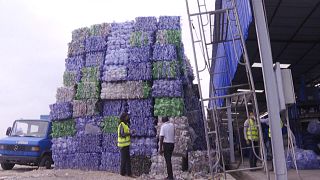
The organic waste is processed and replaces chemical fertilisers improving sustainability.
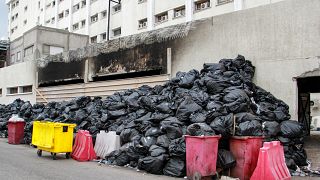
Traditionally, in Morocco, most household waste is buried.
According to official data, 66 illegal dumps have been rehabilitated so far.
"All our products are organic and can be used in organic farming to replace some of the chemical fertilisers that kill the soil, and also to participate and offer customers a healthy and sustainable agriculture" promises EV's production manager.
According to the Ministry of Energy Transition and Sustainable Development, in 2015 only 6% of household waste was recycled.
A national waste programme whose objective was to reach a recycling rate of 20% by 2022 was pushed back to 2030.





01:51
Threatened by floods, South Sudan Unity state hopes for help from UN
02:20
Threads of fragility: Moroccan artist transforms Tangier museum
01:56
In the streets of Kinshasa, ex-hoods get tough on litter
01:29
Moroccan lawyers extend strike over profession law
01:17
Morocco kicks off legislative election campaign with 27 political parties vying for 395 seats
01:46
Spanish PM defends handling of Ceuta crisis, refuses to pin Morocco