



Democratic Republic Of Congo
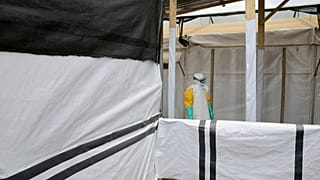
Congolese Health Minister Eteni Longondo on Thursday officially proclaimed the end of the Ebola epidemic in eastern Democratic Republic of Congo, the second most serious since the discovery of the virus in 1976.
Declared on 1 August 2018, this tenth epidemic of haemorrhagic fever on Congolese soil has killed 2,277 people, said the Minister of Health, who spoke of the epidemic “the longest, most complex, and deadliest” in the country’s history. Only the epidemic in West Africa in 2013-2016 had claimed more victims.
But Thursday’s milestone announced in the east of the country was overshadowed by the enormous health challenges still facing the vast African nation: the world’s largest measles epidemic, the rising threat of Covid-19 and another new Ebola outbreak in the north.
Despite effective vaccines and treatments that dramatically boosted survival rates when administered early, the outbreak dragged on as first responders struggled to gain access to virus hotspots in Congo’s restive eastern borderlands.
As that outbreak neared its end, another one was declared on June 1 in the western city of Mbandaka, more than 1,000 km (620 miles) away. Genetic testing revealed the two epidemics were not connected.
“The health ministry intends to capitalise on the lessons learned and the success factors from this long epidemic to assure the most effective response possible in Mbandaka,” Health Minister Eteni Longondo told reporters.
The World Health Organisation’s announcement initially was set for April, but another case emerged just three days before the Ebola-free declaration was expected.
That restarted the 42-day period required before such a proclamation can be made.
AFP
02:00
Clashes erupt between DR Congo opposition and pro-govt supporters in Kinshasa
00:55
Hundreds in DRC protest against constitutional amendment for 3rd presidential term
00:50
DRC: Copper price rises 0.51% on international markets
02:05
DRC: Children killed in Bukavu school fire laid to rest
02:00
Families of victims of a deadly fire in DR Congo gather at a morgue ahead of mass funeral
11:16
Algeria: diversifying beyond oil and gas [Business Africa]