



Tunisia
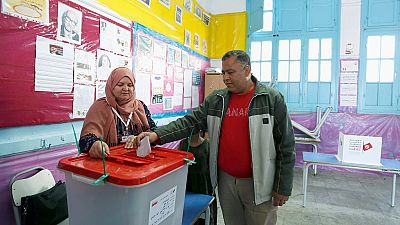
Tunisia’s electoral commision on Wednesday announced that it will conduct parliamentary elections on October 6 and presidential polls on November 10.
Under its 2014 constitution, Tunisia must hold legislative elections within two months of parliament’s mandate expiring — between October and early December.
If a presidential candidate does not win outright in the first round, a second round will follow within two weeks, the commission said.
The country whose uprising toppled longtime dictator Zine El Abidine Ben Ali and sparked the Arab Spring uprisings has been hailed as a model of democratisation in the Arab world, but continues to suffer economic woes and jihadist attacks.
The powerful UGTT trade union confederation has staged a series of crippling strikes since late last year over social and economic reforms, while youth employment remains high and inflation is at 7.5 percent.
The Constitutional Court, which would be crucial if election results were challenged, has not yet been formed, to the anger of civil society.
Previous polls held in 2014 brought to power Beji Caid Essebsi, the country’s first democratically elected president.
These will be the third national elections since the country’s 2011 revolution.
AFP






01:18
São Tomé voters demand jobs and action as young people leave
01:08
Morocco votes in parliamentary election amid youth discontent
01:03
South Sudan: President dissolves govt as controversy engulfs December poll
00:57
Tunisia says 2026 summer hottest on record, temperatures topped 49.7°C
01:01
Tunisia: At least 11 detained following protest for release of activists
01:29
Hundreds of Tunisians demand release of jailed Gaza flotilla activists