



Burundi
The ongoing political crisis in Burundi has spurred economic contraction in the country.
Burundi's economy fell into recession last year amid political crisis https://t.co/thmoY2WjJr #BBCAfricaLive pic.twitter.com/JBvVZxk08G
— BBC Africa (@BBCAfrica) February 9, 2016
According to the Burundi Revenue Authority, tax revenues fell by 17 percent. The country collected 590.6 billion Burundian francs ($376.2 million) in taxes in 2015, compared with a target of 720 billion francs.
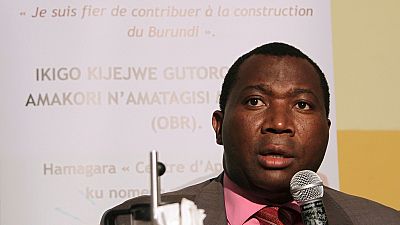
“Last year, we got a negative growth due the political crisis that the country is facing since April,” Finance Ministry spokesman Desire Musharitse said.
Nonetheless, the country forecasts 3.5 percent economic growth for 2016.
On the other hand, the International Monetary Fund in October said Burundi’s economy could contract 7.2 percent in 2015.
The land locked country has been hit by unrest that has killed about 400 people since President Pierre Nkurunziza decided to stand for re-election in April.
Daily violence in the aid-dependent eastern African nation has upset all sectors of the country’s businesses, especially in Bujumbura, which accounts for 55 percent of the nation’s output.



01:25
Persistent violence stalling African development, Burundi's Ndayishimiye tells summit
01:01
BRICS member states look to technology to help strengthen trade ties
Go to video
Foreigners in Kenya given 90 days to regularise documents
00:52
Kenya temporary amnesty eases fears among East African migrants
02:01
Sudan’s economic crisis deepens as prices soar and wages collapse
02:20
Alarm as bush fires ravage Burundi's Ruvubu National Park