



Rwanda
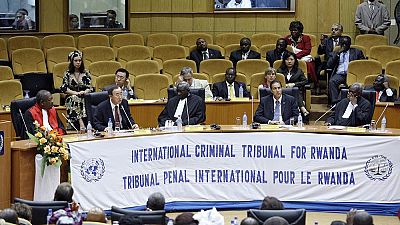
After issuing several rulings on the Rwanda genocide that left over 800,000 people dead, the Arusha International Criminal Tribunal is in the process of winding up.
The tribunal was set by the UN security council after the 1994 Rwandan genocide between the Hutu and the Tutsi.
The court has lasted for more than two decades and has managed to deliver 45 judgments as part of efforts to fight impunity on crime against humanity.
Among those prosecuted were highly ranked military and government officials, politicians, businessmen as well as religious, militia and media leaders.
The conflict is estimated to have taken 100 days with unimaginable violence that rocked the whole country.
The tribunal was the first in defining rape under international criminal law and further recognized the crime as a means of perpetrating genocide.
It was also the first criminal court to hold journalists liable for their actions when broadcasting any kind of war.
“The substantial contribution of the ICTR to the process of national reconciliation and the restoration of peace and security, and to the fight against impunity and the development of international criminal justice, especially in relation to the crime of genocide,” the council acknowledged. A panel of 45 judges analyzed the testimonies delivered by over 3000 witnesses. Majority of those convicted in connection with the genocide, were tried not in Arusha, but in Rwandan community-based “gacaca” courts that completed issuing verdicts in 2012.
The court held 5,800 days of proceedings and indicted 93 people.





01:11
Tanzania opposition leader Tundu Lissu's treason trial resumes
01:06
DR Congo says militia linked to Rwanda's genocide agree to surrender
01:04
Ghanaians ask ICC to probe South Africa's anti-migrant violence
01:07
France confirms 27-year sentence for Rwandan ex-doctor Eugene Rwamucyo
02:24
DRC: Uvira's displaced lose hope as US ultimatum on Rwanda troops expires
01:00
'Threat to US sovereignty': Washington launches campaign to dismantle ICC