


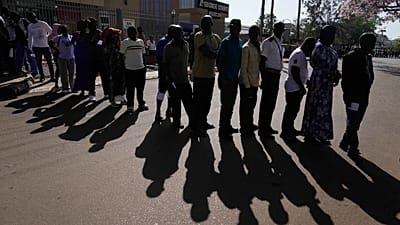

Tanzania
Ugandan's January 15 presidential elections was executed under heavy restrictions on internet access, raising concerns from rights groups, opposition figures, and observers about transparency in the vote.
The government says the shutdown, which affected social media, messaging apps, and mobile internet, is meant to curb misinformation and protect public order.
Critics argue it also makes it harder for independent monitors, journalists, and ordinary citizens to share information in real time, feeding suspicion of electoral malpractice, an issue major opposition contender Bobi Wine also raised on the day of polls.
"This is done in order to facilitate the intended rigging of the regime, otherwise why would the people of Uganda be denied the right to communicate and why Ugandan elections should be held in the dark?" Bobi Wine said.
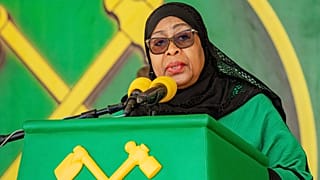
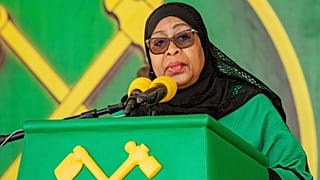
What makes this election particularly notable is timing: on the same day Ugandans were voting offline, Tanzania’s President Samia Suluhu Hassan publicly reflected on similar internet blackouts in her country,acknowledging that they had caused “serious challenges” for voters, businesses, and media. Her remarks highlight a growing debate across Africa about the use of internet shutdowns during politically sensitive moments.
“To our partners in the diplomatic community and foreigners residing here in Tanzania, I express my sincere sympathy for the uncertainty, service restrictions and internet shutdowns you experienced,” she said.
Uganda is not alone
In recent years, countries like Ethiopia, Sudan, and Guinea have all restricted digital access during elections or political unrest. Governments cite national security and misinformation as reasons, while rights groups warn that such actions undermine democracy, delay results, and disrupt everyday life, from banking to communication.
READ ALSO: Ethiopia will cut internet as and when, 'it's neither water nor air' - PM Abiy
The human cost is clear
Small businesses reliant on mobile money or online orders face disruptions. Citizens struggle to communicate with family or report irregularities. Journalists and civil society groups are forced to rely on delayed reporting rather than live updates. These shutdowns, observers say, erode trust in the process and leave ordinary voters feeling cut off.
Experts warn internet shutdowns can backfire politically. “Ugandan authorities’ repeated internet shutdowns during elections blatantly violate human rights,” says Tomiwa Ilori, senior technology, rights and investigations researcher at Human Rights Watch, adding that cutting off access undermines transparency and confidence in the vote.
The regional picture matters
Tanzania’s recent public reflection is unusual, African leaders rarely acknowledge the negative consequences of shutdowns. Uganda’s decision, in contrast, illustrates how such measures remain a go-to tactic in some countries despite warnings from neighbours and international observers.
As elections continue across the continent this year, citizens, journalists, and investors alike are watching closely. The question many are asking: are internet shutdowns an acceptable tool for election management, or do they threaten democracy itself?




02:05
Burundi: Scores of Burundians repatriated from Tanzania
Go to video
Ghana renames Kotoka Airport, reigniting coup debate
Go to video
Over 600 Kenyans trapped in Cambodia trafficking case
Go to video
Armed group killS 33 in fresh simultaneous attacks in Nigeria
01:14
651 arrested in Africa-wide crackdown on online scam networks
Go to video
UN probe finds evidence of genocide in Darfur city of El-Fasher