



Japan
Eighty years after the atomic bombing of Hiroshima, efforts continue on the nearby island of Ninoshima to uncover the remains of victims—many still unaccounted for, many likely children. The site, once a field hospital where thousands were brought by boat after the blast, is now a place of solemn excavation and prayer.
Rebun Kayo, a researcher at Hiroshima University’s Center for Peace, has made it his mission to recover and honor those forgotten. "Unless I experience it with all five senses, I can’t truly get close to how people felt at the time," he said. "Just how much pain they must have gone through."
Kayo has unearthed dozens of bone fragments in the island’s forest, including a child’s jaw with tiny baby teeth. Holding the fragment, he reflected: “What could such a little child, practically a baby, possibly have done wrong?” He shook his head. “Why did they have to be killed in such an unjust, senseless way and buried here?”
Among those deeply touched by Kayo’s work is Tamiko Sora, a 3-year-old survivor of the Hiroshima blast who still wonders what became of her missing aunt and uncle. "When I searched through various records with Mr. Kayo," she said, "we gradually began to think they may have been taken to Ninoshima.”
Sora now visits the island to offer prayers. For her and many others, the war’s devastation still lingers. “They serve as storytellers,” Kayo said of the bones. “They can’t speak, but I believe they still communicate something to us.”
01:00
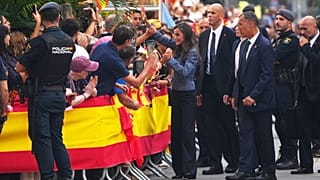
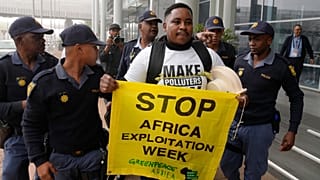
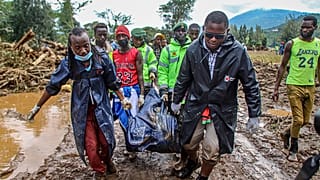
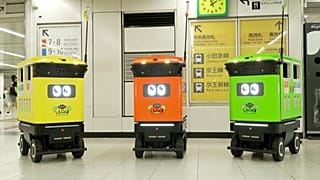
Pix of the Day, 5 October, 2026 - Across the world
00:55
Oil prices fall as G7 agrees to release 100 million barrels of reserves
01:09
Russian president warns Moscow will use ‘all weapons’ to defend Kaliningrad
01:00
Pix of the Day, 30 September, 2026 - Across the world
01:31
Burundi agrees to accept third-country US deportees
01:03
US denies visa for Sudan's de facto leader due to address UN