



Business Africa

In this Business Africa episode, you'll get to meet the head of Benin's first 5-star hotel. Also on the program, funding cultural and creative industry and we'll look at how Morocco built an investor-friendly climate.
According to figures from the United Nations World Tourism Organization, international traveller arrivals in Africa in 2023 reached 96% of pre-pandemic levels.
This performance had placed the continent above the global average of 88%.
Luxury tourism has also returned to pre-covid levels and continues to grow.
Citing market studies in the global sector of luxury travel, consulting firm Deloite projected a compound annual growth rate of 7.6% until 2030.
add Nigerian Fashion Designer Bubu Ogisi: Embracing African Stories and Traditions in Style
Volume 90%
In southern Africa, the sector should even exceed its 2019 results by the end of this year, The Southern & East African Tourism Update reported citing travel agency Go vacation Africa.
Mauritius and Morocco are other big names on the continent.
Benin is looking to position itself in this niche.
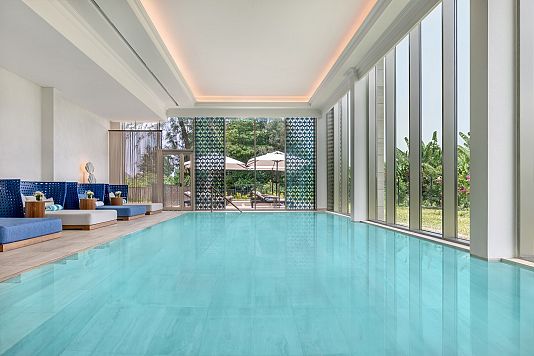
In mid-October, the country's official tourism development agency announced the signing of a partnership with the Sofitel Cotonou Marina Hotel & Spa, Benin's first 5-star establishment.
The agreement is designed to boost Cotonou's appeal as a tourist destination and promote the West African country as a must-see location for leisure and business travellers.
The General director of the hotel is Business Africa's guest this week. She talks about her vision of the sector and the challenges faced when inaugurated the Marina Hotel & Spa.
Morocco has centred its economic strategy around the development and the diversification of investment flows.
The kingdom has for over a decade now successfully maintained a spot among the most attractive African countries for foreign investors. Rabat is therefore the focus of several charm offensives, The latest being from French President Emmanuel Macron.
READ ALSO: France, Morocco sign agreements worth €10 billion on investment, infrastructure, energy
Creative industries of CCI generate some US$2.25 trillion annually. Africa and the Middle East are bustling with creative energy yet their cultural industry contribute only 3% of global revenue in the sectors. The major financing gap holds back the African creatives. But, more and more African financial institutions are seeking to address the financing gap in the creative industries.
![Egypt's Economy Hard Hit by Gaza War [Business Africa]](https://static.euronews.com/articles/stories/08/77/73/02/320x180_cmsv2_317025b1-5dda-5da8-806d-cdc2e99f7937-8777302.jpg)
![Ethiopia: Electromobility, turning point or illusion? [Business Africa]](https://static.euronews.com/articles/stories/08/75/00/34/320x180_cmsv2_a1bb93ee-8386-559c-8130-da2001105af7-8750034.jpg)


01:17
Hundreds of migrants intercepted near Morocco's border with Ceuta
01:39
Morocco and Spain boost security in Ceuta as another call for border rush seen online
01:00
Croatia wildfire near Omiš injures residents and disrupts holiday travel
01:00
Rome’s Colosseum extends cool night tours as heatwaves scorch city
01:00
Half a million visitors flock to Spain’s path of total solar eclipse
00:52
US Senate votes to extend AGOA trade programme for 32 African nations