


![[Photos] Eid-ul-Adha from around the world – prayers, celebrations, sacrifice](https://static.euronews.com/articles/343700/400x225_343700.jpg)

Traditional celebrations
Eid-ul Adha (festival of the sacrifice) is the second annual celebration observed by Muslims the world over. The day falls on 10th of Dhul Hijjah, the last month of the Islamic calender.
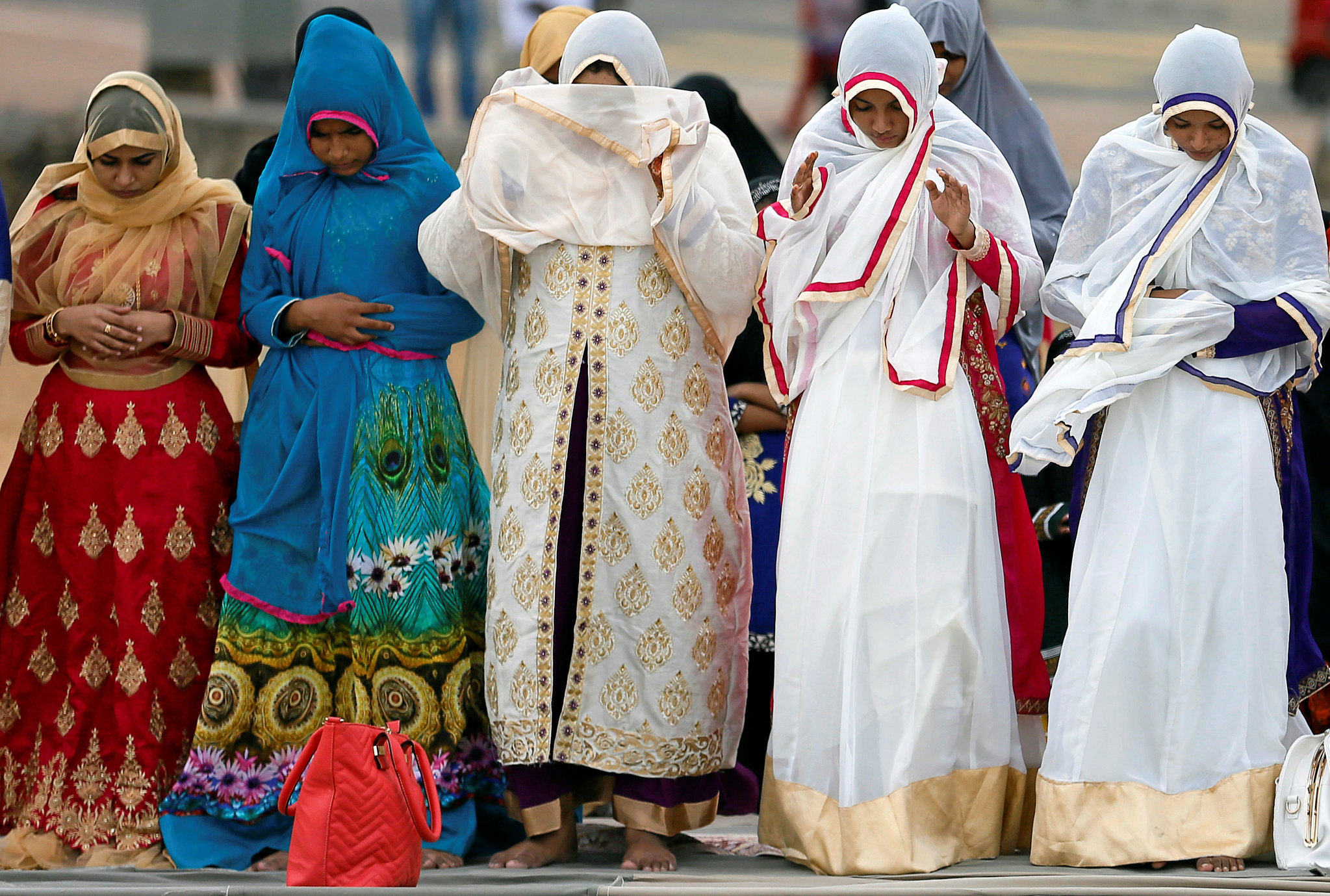
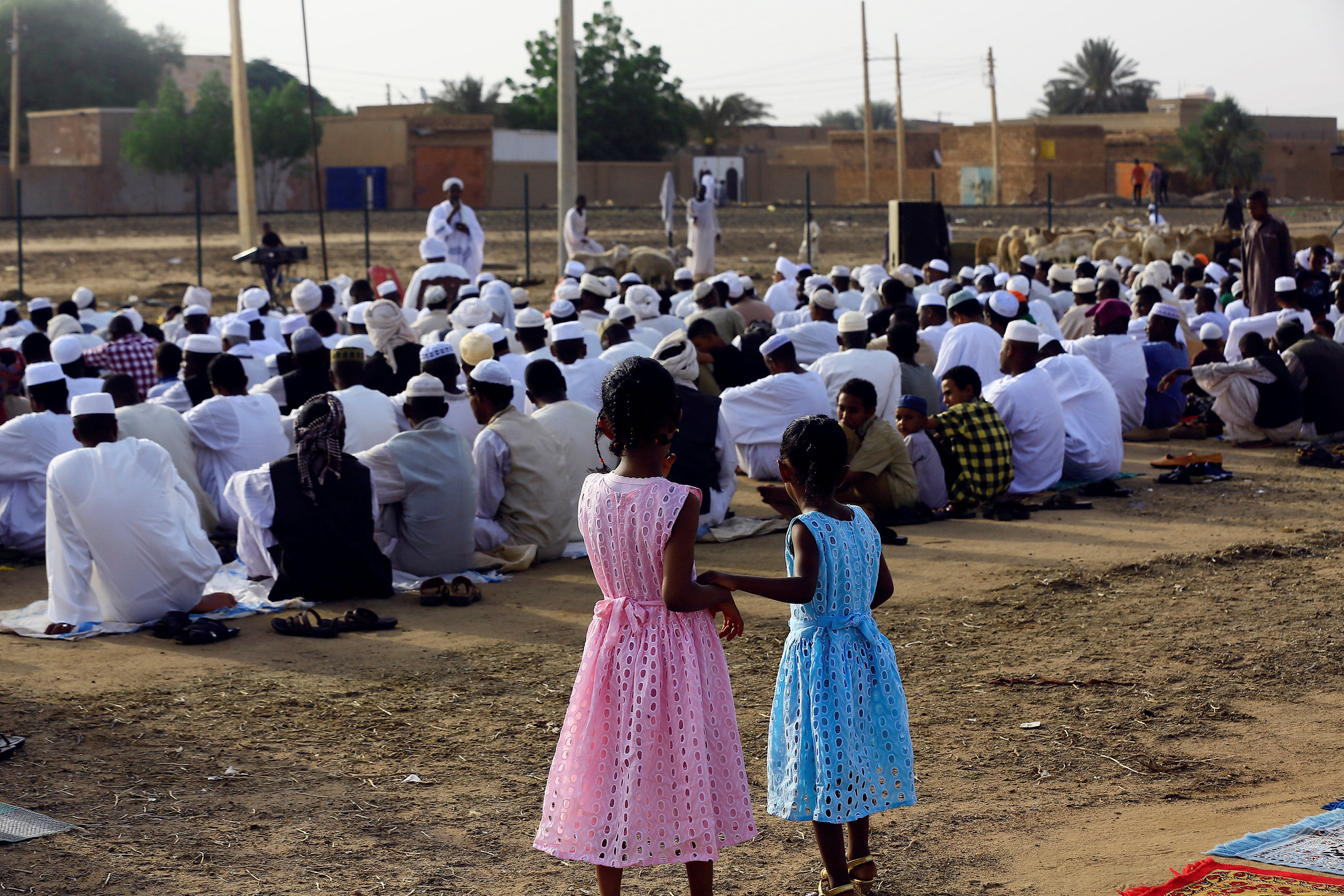
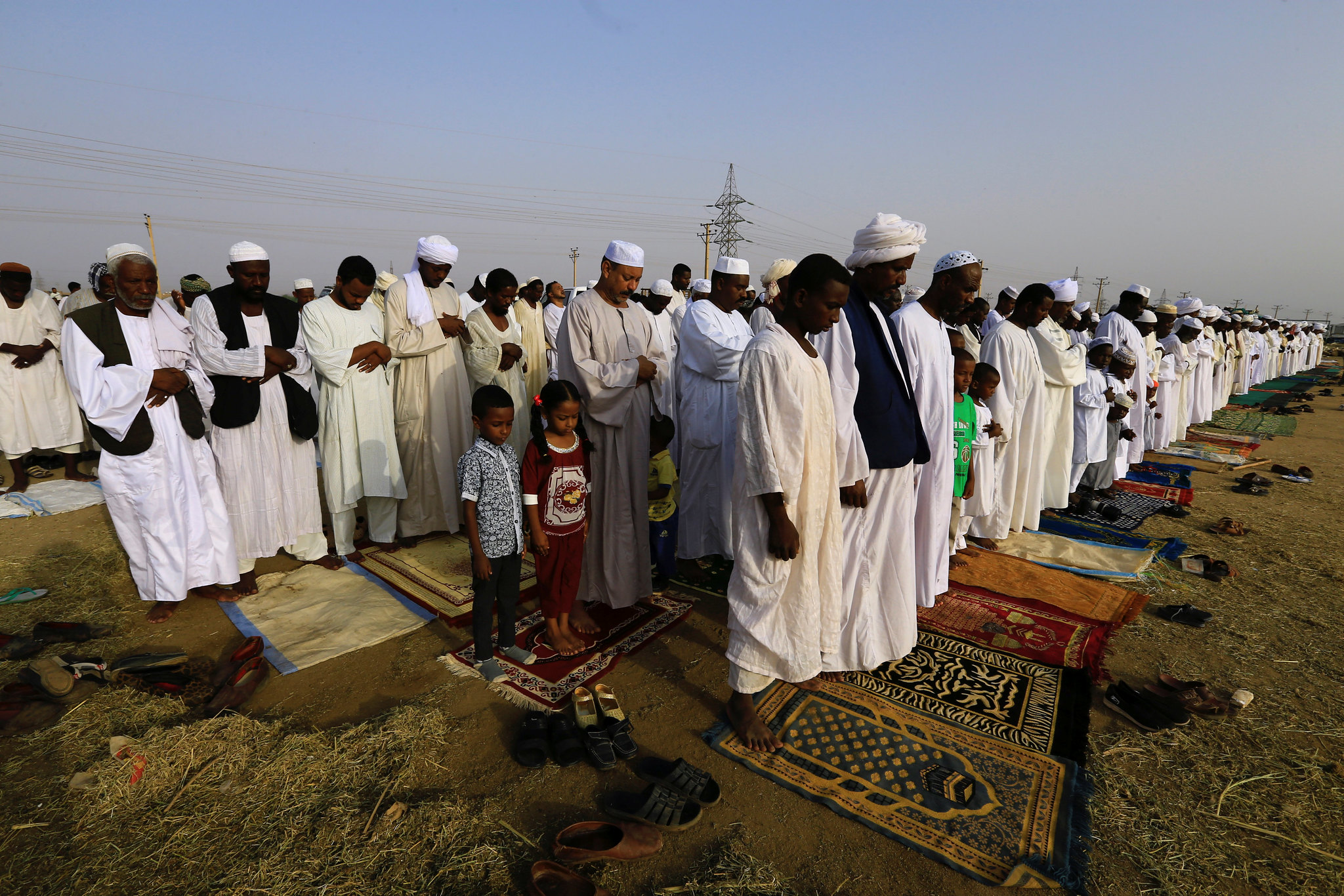
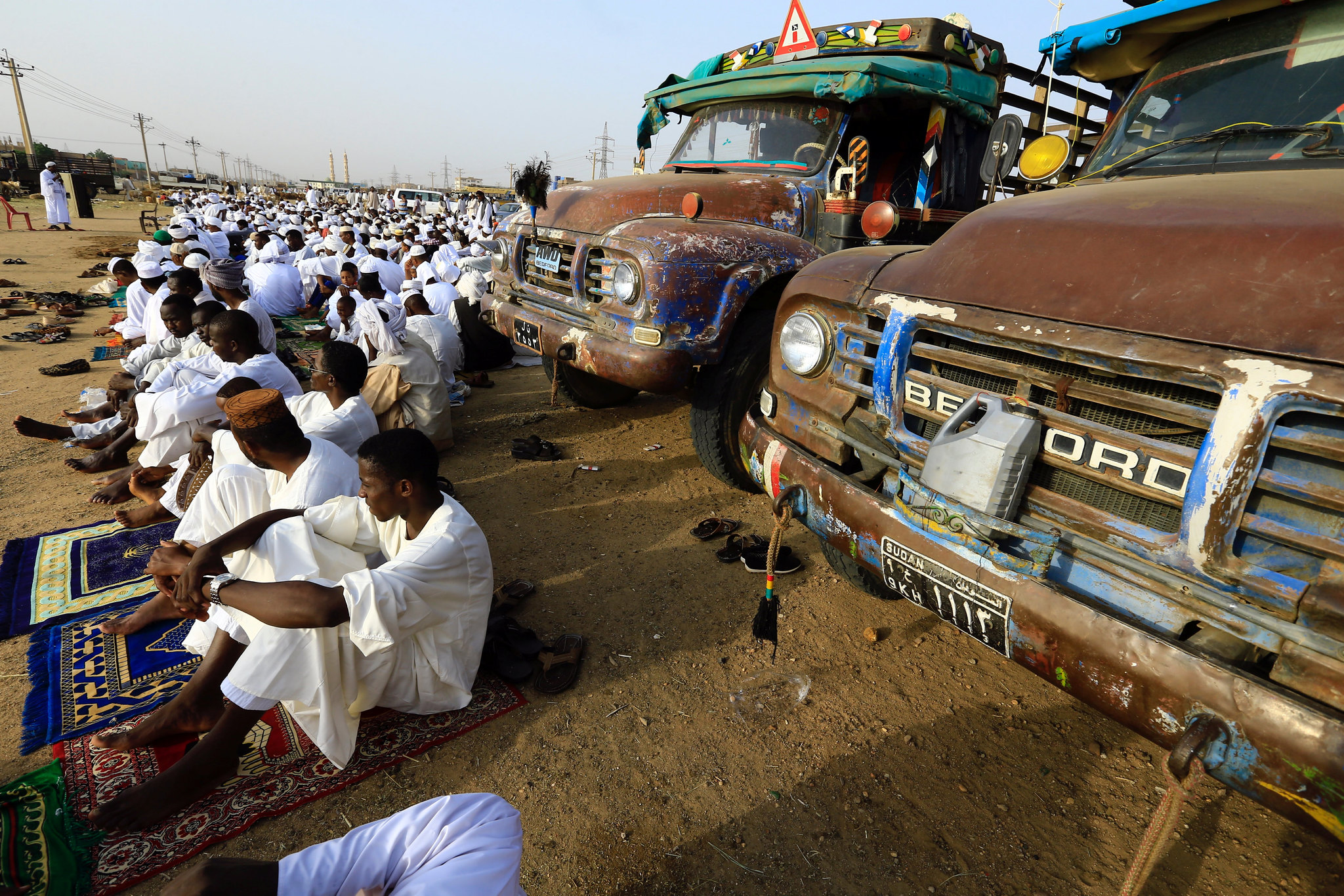
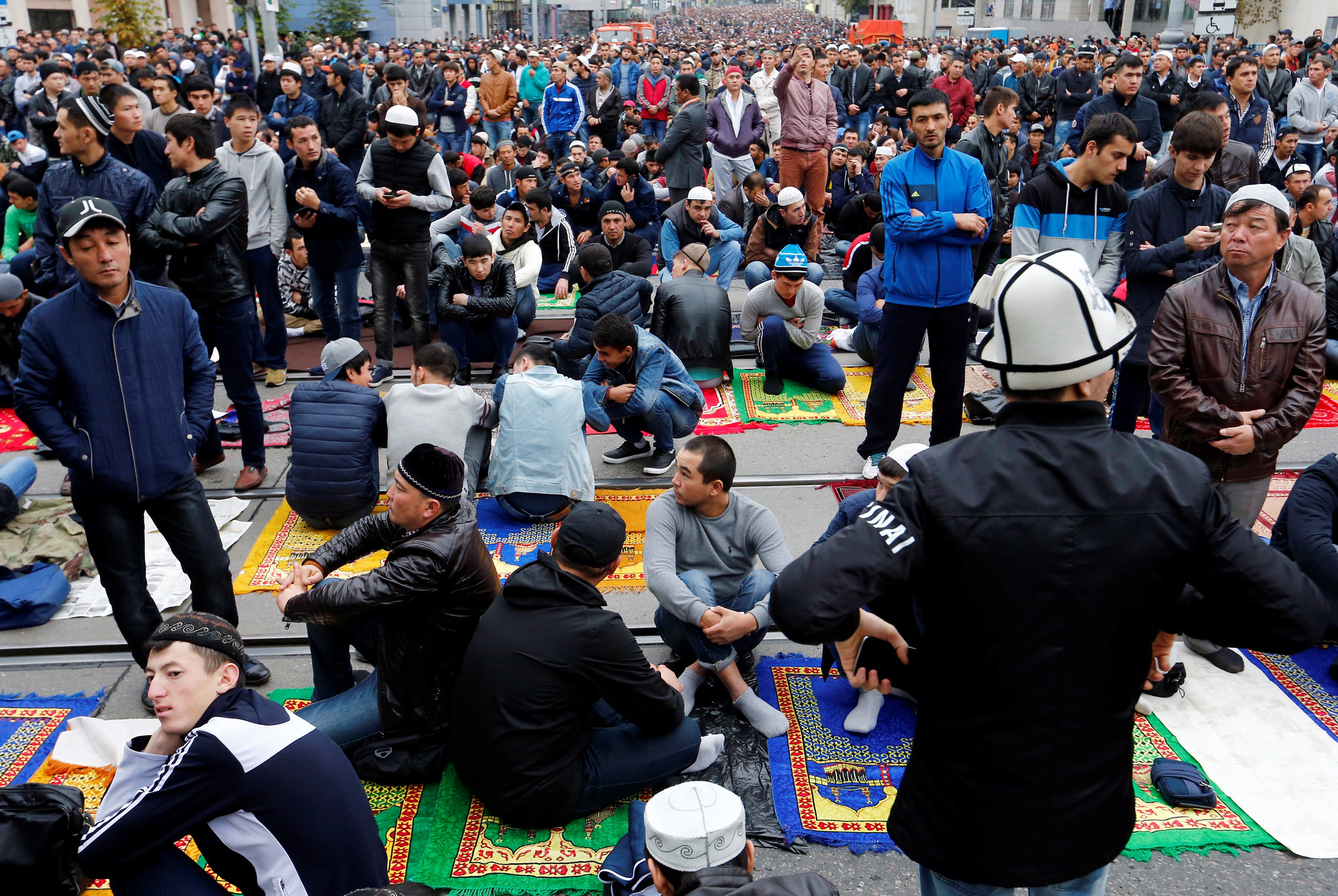
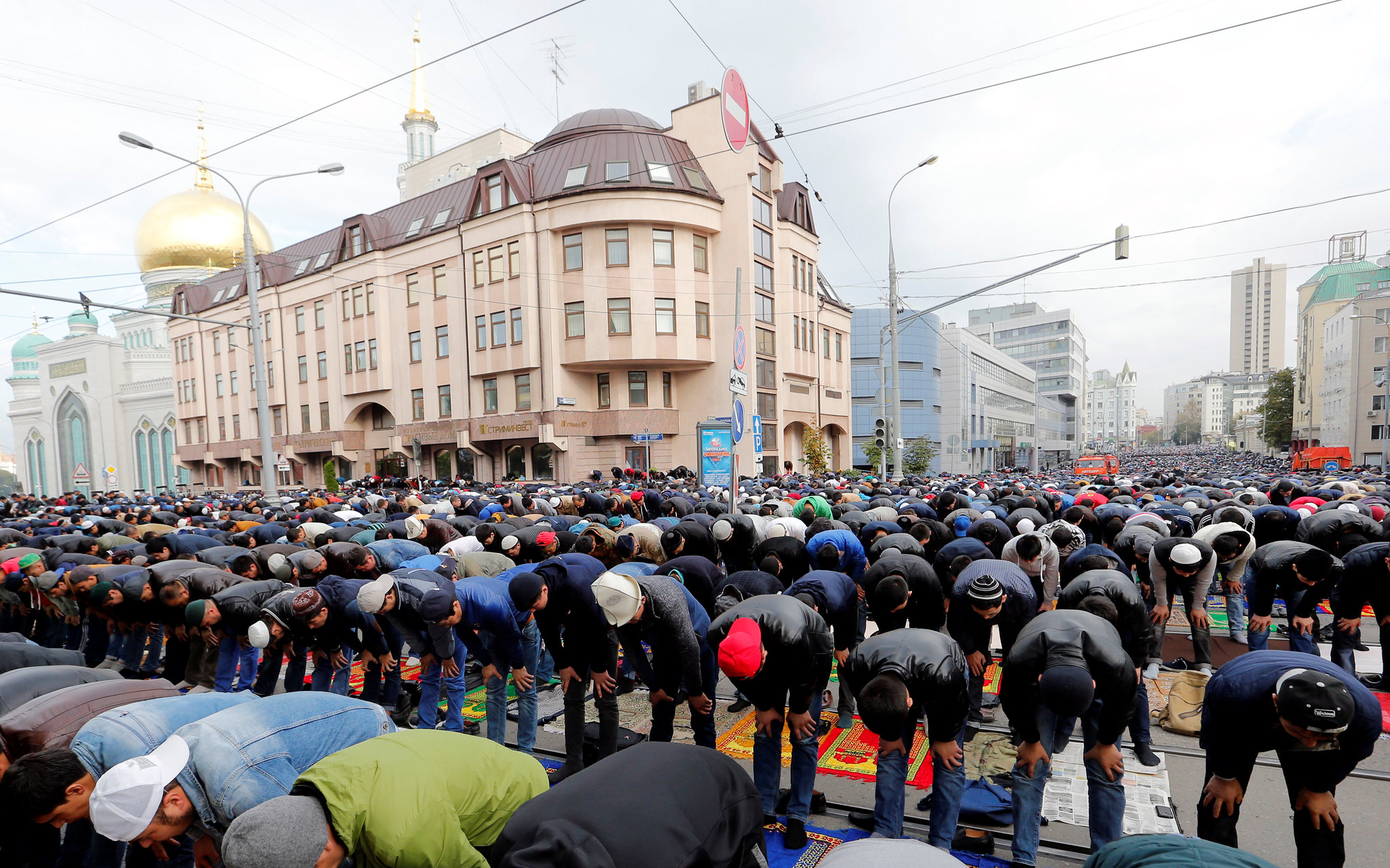
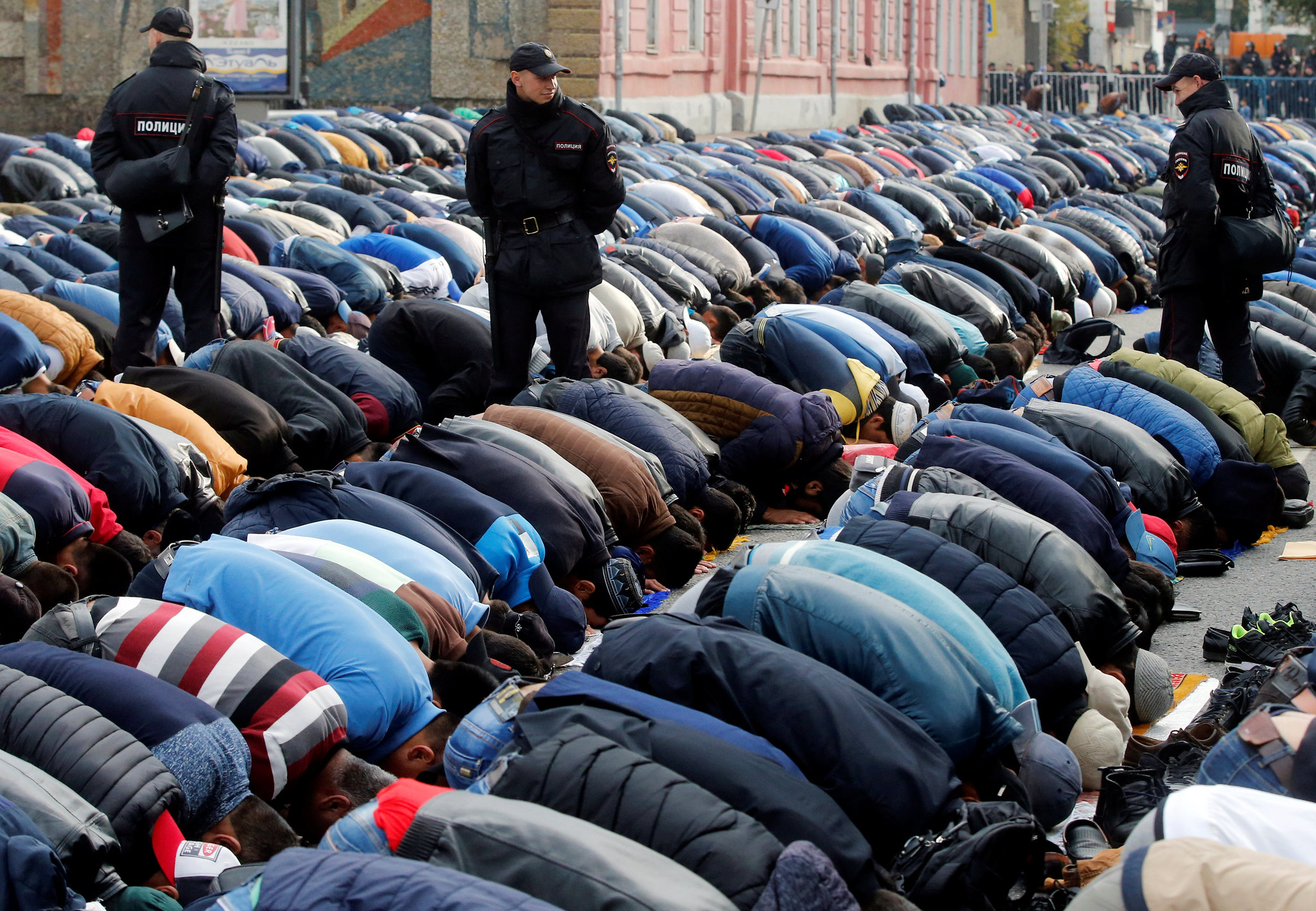
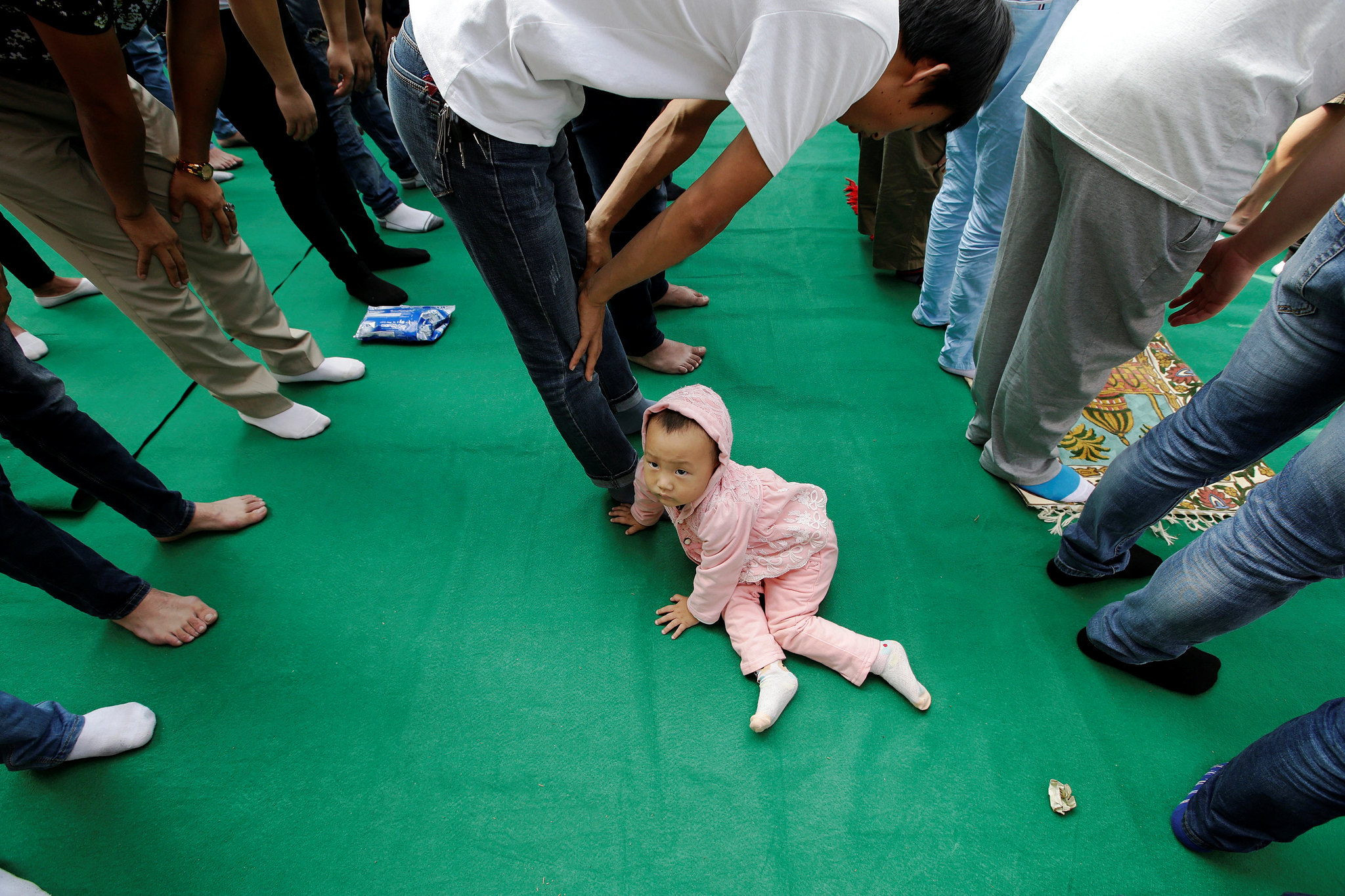
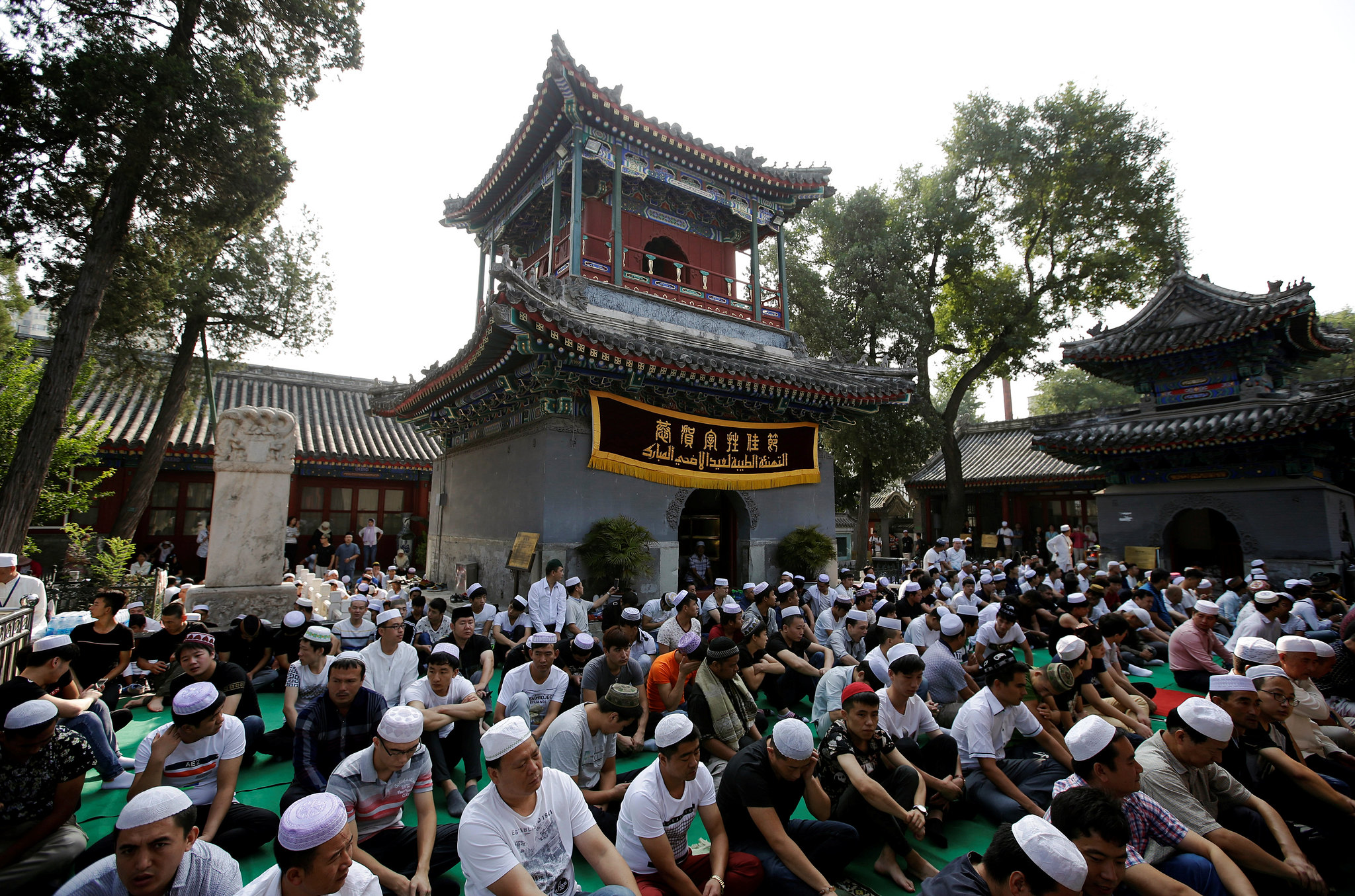
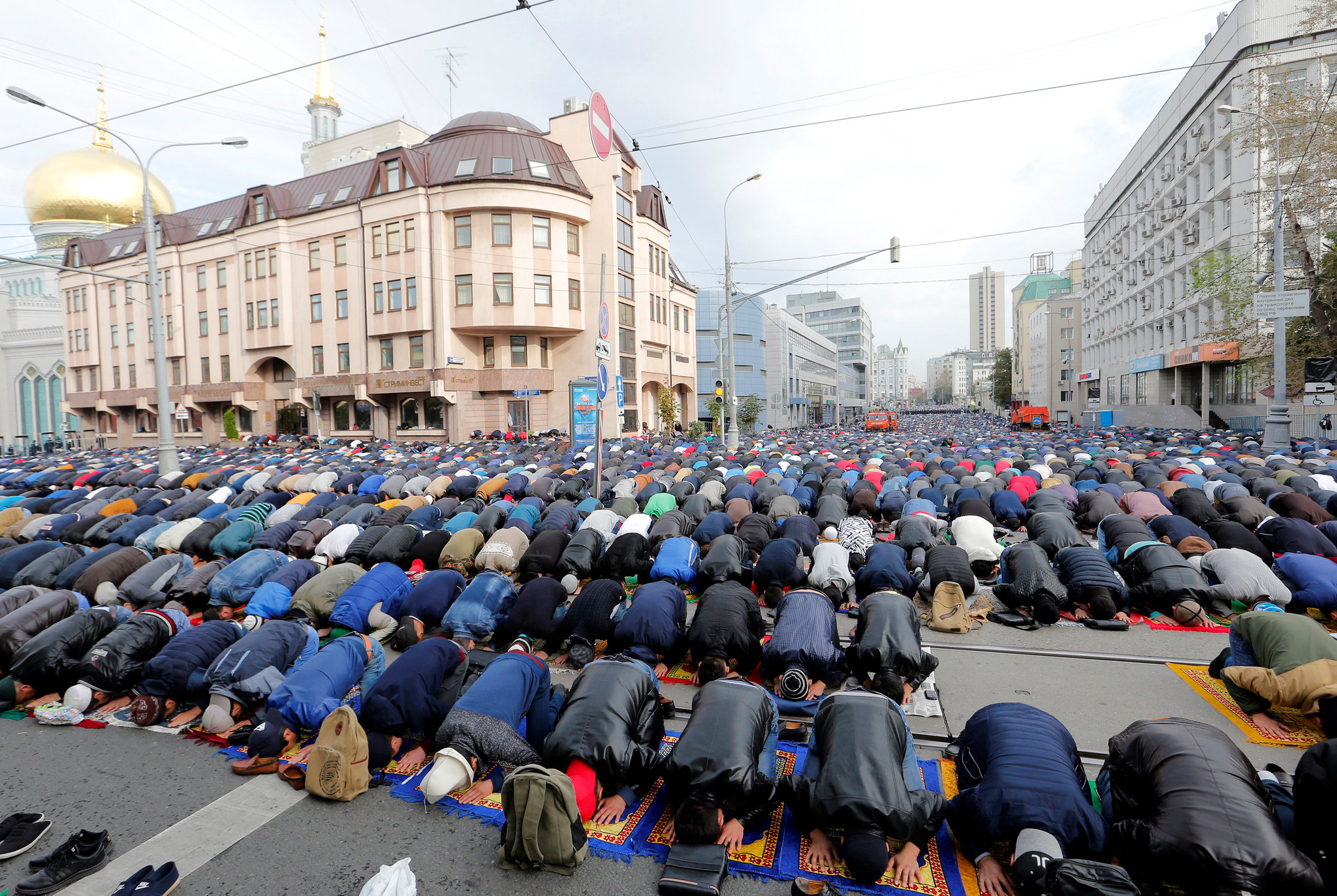
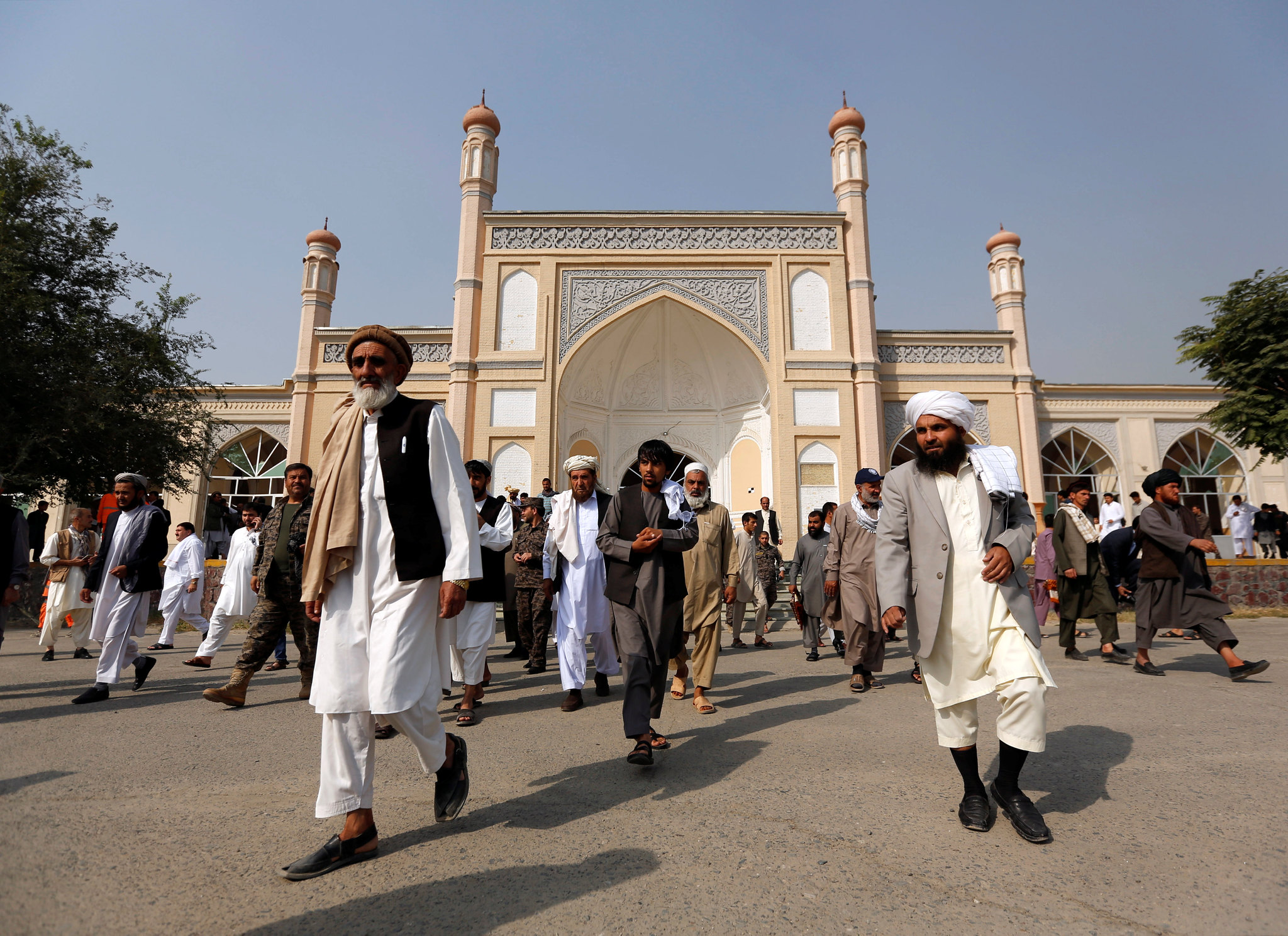
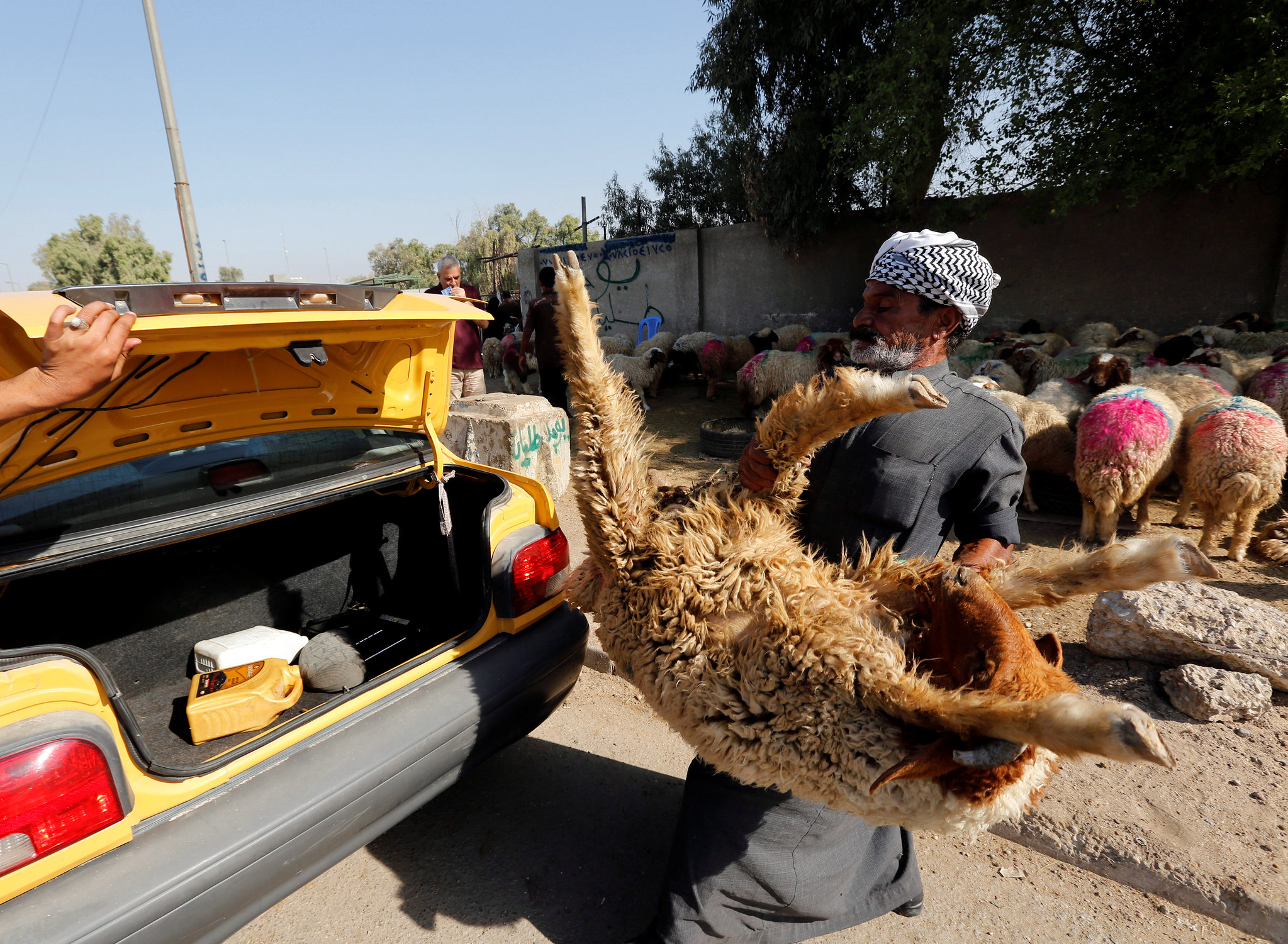
Muslims the world over celebrate it by congregating at prayer grounds or in mosques to observe the two unit of prayer led by an Imam. After the prayers, they head home to slaughter their animals, also an act of worship as per Islamic tenets.
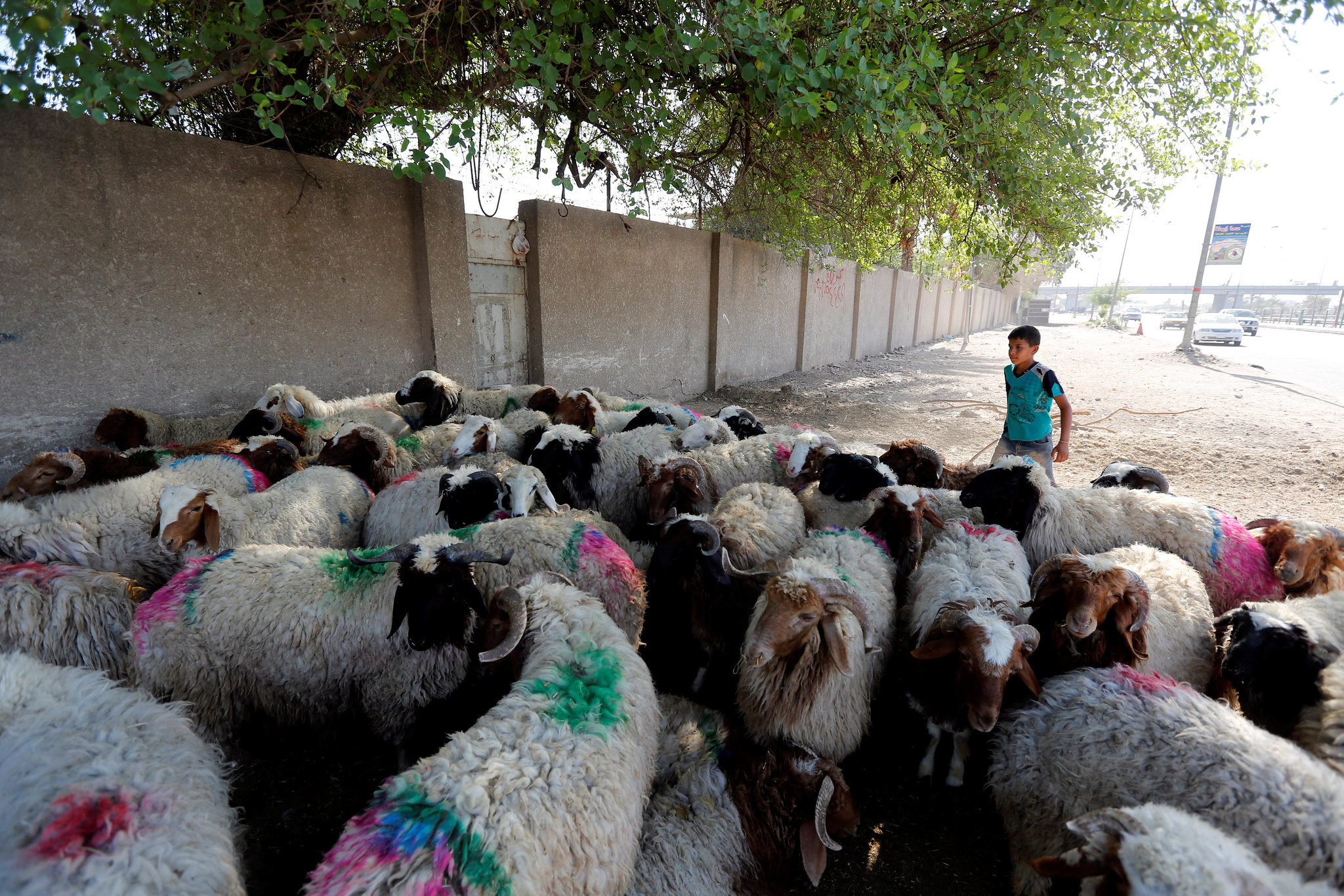
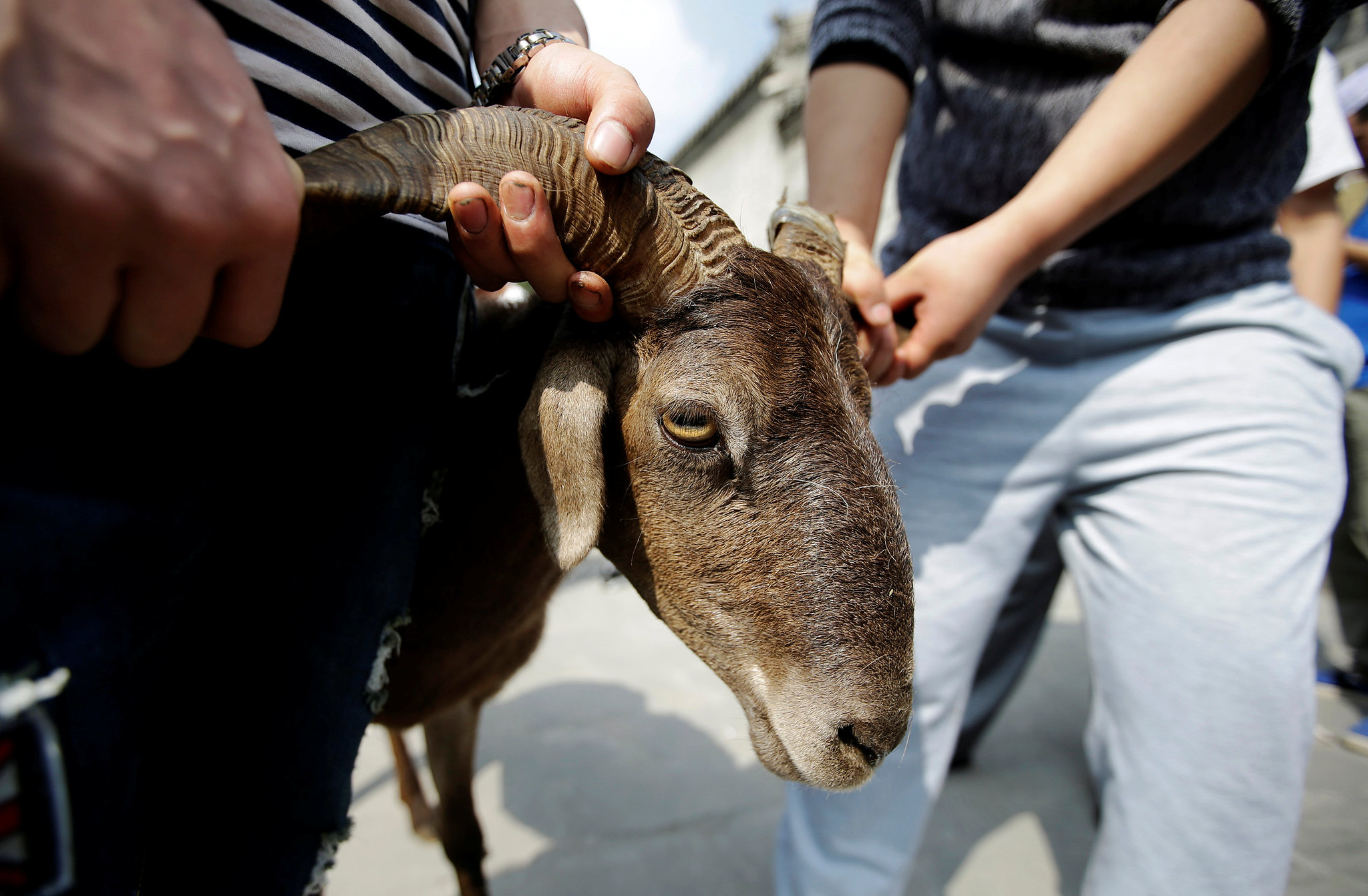
The animals accepted for purposes of this act of worship are camel, cattle, sheep and goat. A Muslim is supposed to share his sacrifice into three parts, a third for his family, the other to his acquaintances and the last as gift to other people.
SUGGESTED READING Significance of the Eid-ul-Adha
The significance of the slaughtering is in line with the obedience of Ibrahim (Abraham) who accepted to sacrifice his son Ismael (Ishmael). Allah later allowed him to use an animal to replace his son. Ibrahim passed Allah’s test and Muslims have since symbolically followed his step.
The Eid-ul-Adha comes 2 months and 10 days after the end of the Eid-ul-Fitr, which marks the end of 30 or 29 days of fasting in the month of Ramadan.
As people celebrate elsewhere around the world, pilgrims in the holy city of Makkah continue rites of the fifth pillar of the faith, by observing the symbolic stoning of the devil in precincts of the House of Allah – the Kabah.
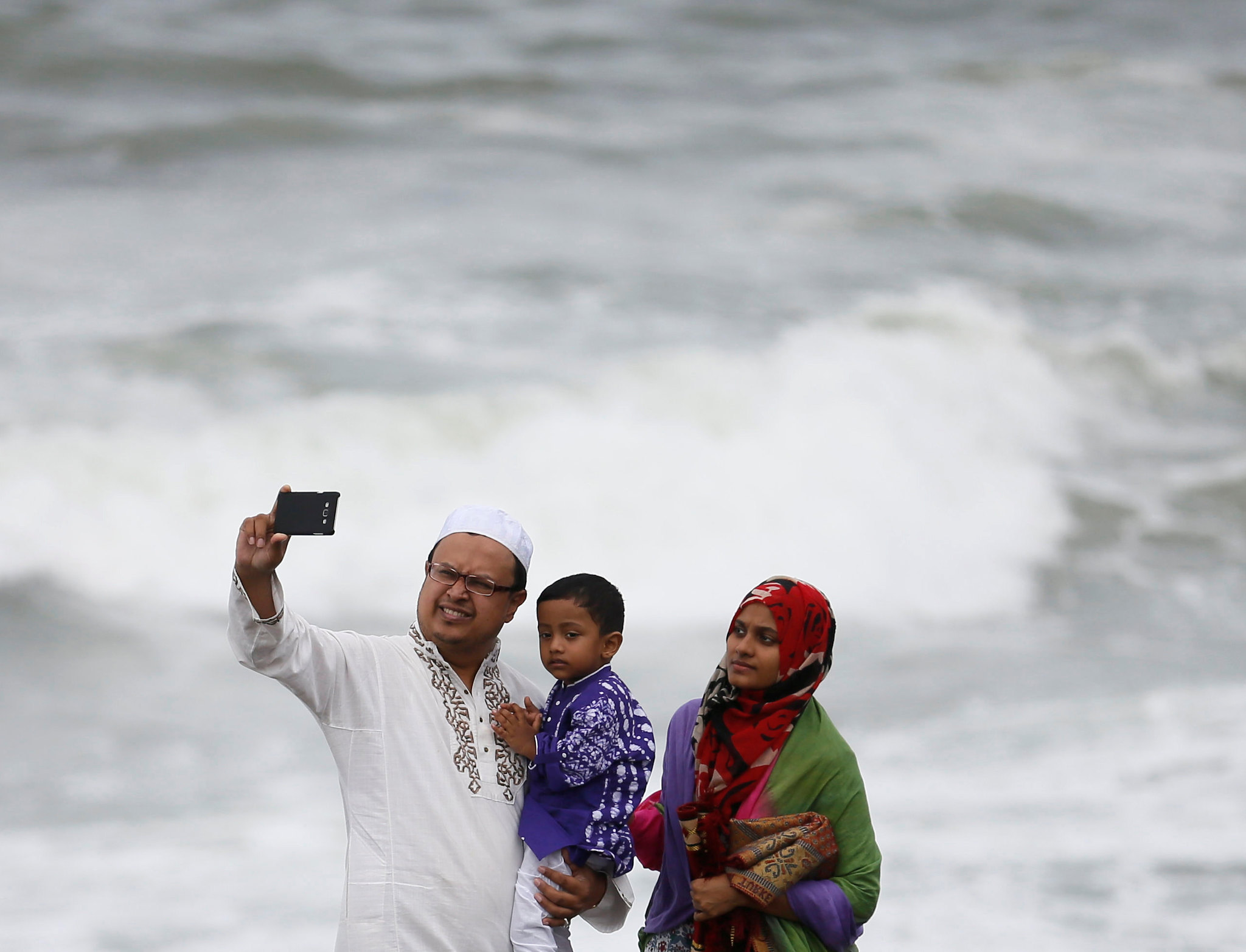
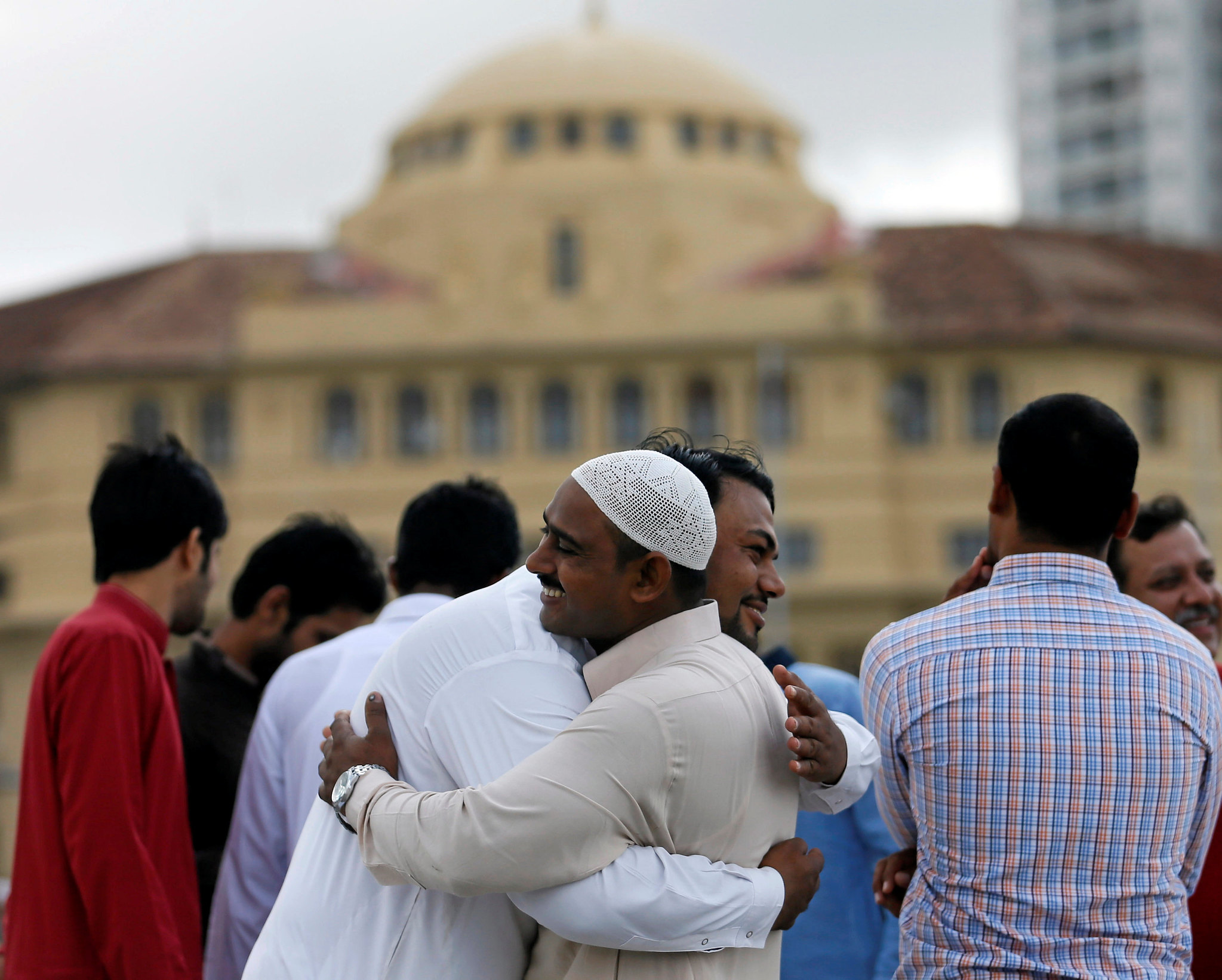
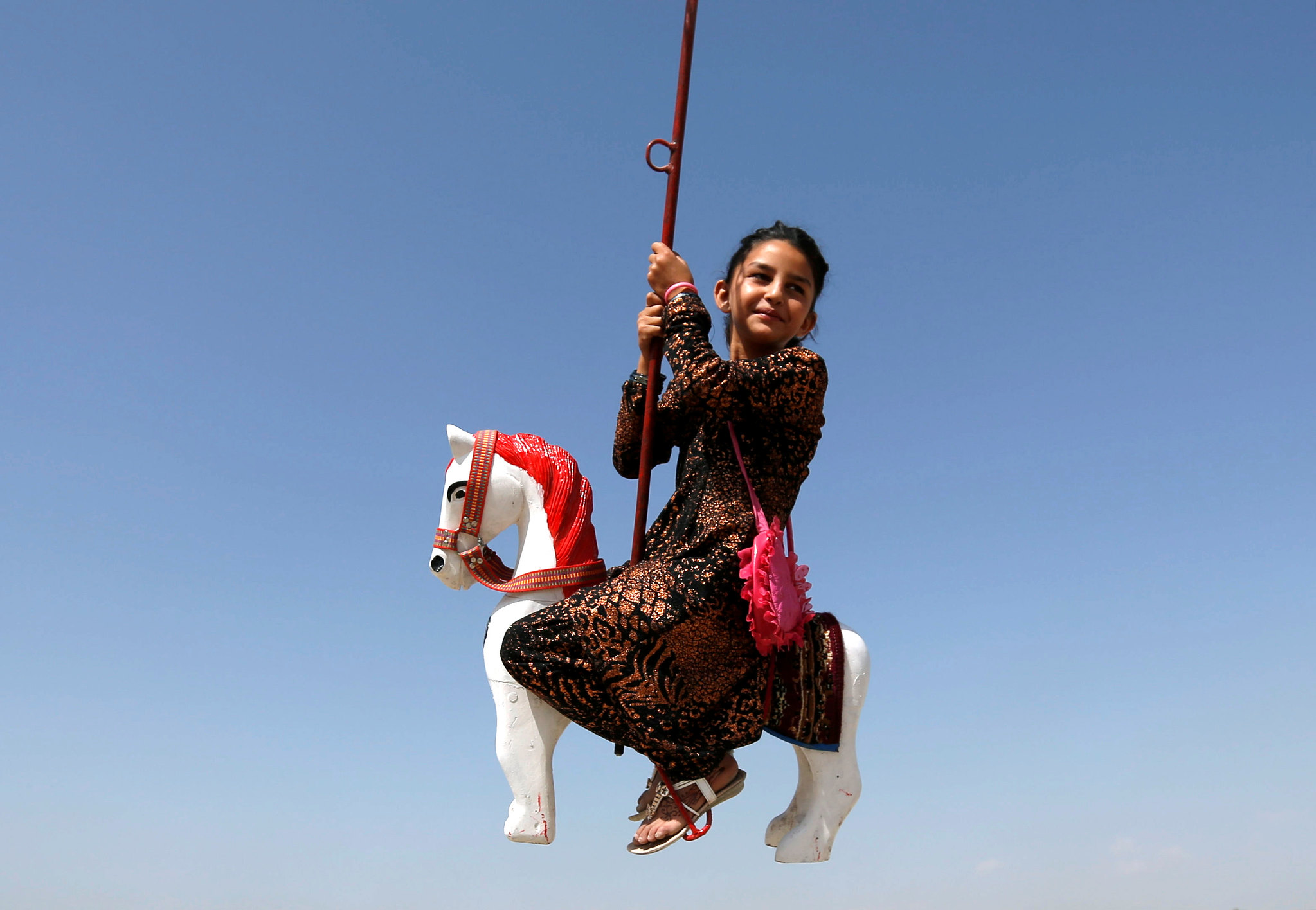
We present some pictures of the prayer sessions, the celebrations and sacrifices that Muslims are making across the world.




02:20
Akinbode Akinbiyi turns everyday african life into art
00:59
Devotees flock to Mumbai and Hyderabad as Ganesh Chaturthi begins
02:18
Nightlife thrives in deeply religious northern state of Nigeria
01:06
Nigeria: Religious leaders unite for social peace in West Africa
01:45
Nigeria: Mass wedding sees 1,500 couples tie the knot in Kano State
02:02
Centuries-old hunt beckons the rain in western Senegal