




South Africa
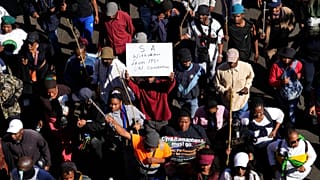
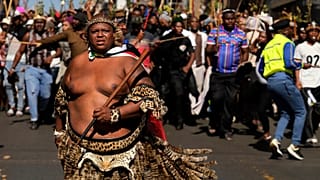
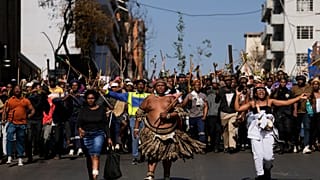
Thousands of people have taken part in demonstrations across South Africa calling for tougher action against undocumented migrants, in what some accounts describe as the largest anti-immigration mobilisation in recent years.
The rallies, which took place in cities including Johannesburg and Durban, were organised by citizen-led groups demanding that migrants without legal status leave the country. Organisers insist the campaign is about law enforcement and social stability, not xenophobia.
Some protesters set informal deadlines for migrants to leave, while others warned of continued pressure on authorities if demands are not met. Reports from the protests also indicated isolated clashes, including stone-throwing and looting in some areas, with security forces deployed to prevent further escalation.
Against this backdrop, Africanews Debates asked a central question: Is South Africa still safe for African migrants?
‘Fear remains widespread’
Migration researcher Dr Rebecca Walker told the programme that even where large-scale violence had not materialised, fear and intimidation remained deeply rooted.
She warned that migrants perceived as foreign, including those from other parts of South Africa, were increasingly vulnerable, particularly in informal settlements and economically stressed communities.
‘A deeper political and historical problem’
Jean-Victor Nkolo, an African affairs and political analyst, said the current tensions reflected deeper issues of leadership, history and national identity.
He argued that South Africa’s migrant experience should be understood within a wider African context, pointing to the continent’s long history of cross-border movement and shared struggle narratives.
‘I do not feel safe’
For some migrants on the ground, the situation is already having direct consequences.
Eric Kwame Cosmos, a Ghanaian accountant who has lived in South Africa since 2014, said he is now preparing to return home after years in the country, citing growing insecurity.
“I don’t feel very safe,” he said, adding that uncertainty around immigration documentation and public sentiment has left him feeling vulnerable and confined to his home.
Economic pressure and public anger
The debate also highlighted competing interpretations of the crisis, with some linking anti-migrant sentiment to unemployment, inequality and pressure on public services.
Others argued that migrants are being unfairly blamed for structural economic challenges, with little evidence to support claims connecting them to crime or job losses.
A divided national conversation
South Africa’s government has repeatedly condemned violence against foreign nationals, while also describing undocumented migration as a challenge that must be addressed through law enforcement.
But analysts say the political language around migration risks deepening divisions, as vigilante groups, political movements and online discourse continue to shape public perceptions.
As tensions persist, the question remains unresolved, not only in South Africa, but across the continent:

Go to video
New UN report links Joseph Kabila more closely to AFC/M23
01:35
More than one million migrants apply for legal status in Spain
01:45
Thousands flee as South Africa braces for anti-migrant deadline
01:15
South Africa's President Ramaphosa warns anti-immigrant groups over June 30 'deadline'
01:40
South Africa: Leader of anti-immigrant group says marches will be peaceful
Go to video
UNAids warns US funding cut could cost lives in South Africa